
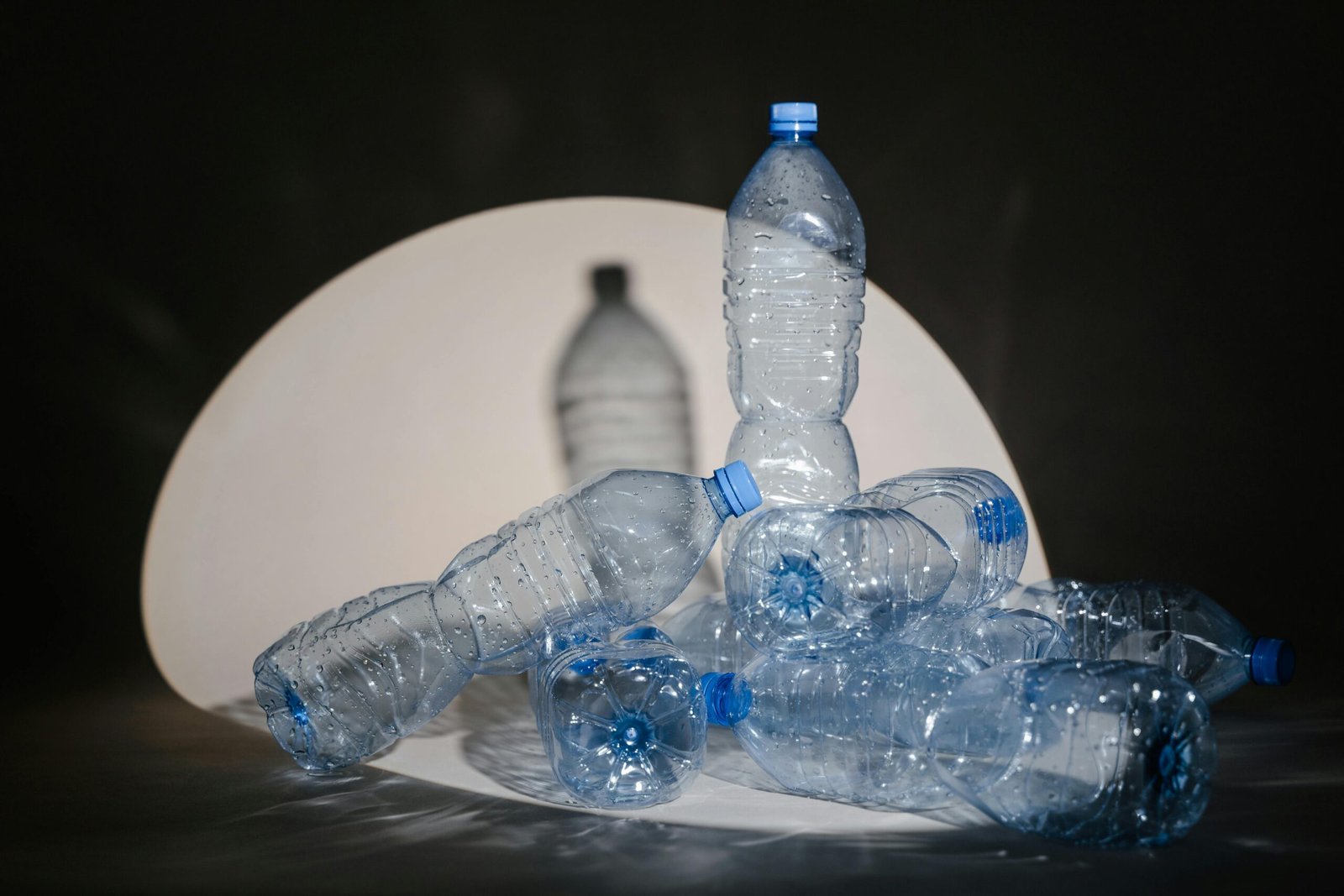
In an era defined by environmental awareness and responsible resource management, businesses and individuals alike are searching for efficient, sustainable solutions to manage waste. Matarecycler emerges as a name associated with modern recycling systems, streamlined scrap collection, and environmentally responsible processing. As global industries generate increasing volumes of recyclable materials, the need for structured, transparent, and efficient recycling operations becomes critical. We explore how Matarecycler represents a structured approach to scrap recycling, how it integrates sustainability into its operational model, and why effective waste management plays a central role in building a circular economy. This comprehensive guide provides an in-depth understanding of Matarecycler’s role in scrap metal recycling, waste reduction, and sustainable environmental practices.
Understanding Matarecycler and Its Core Services
At its foundation, Matarecycler represents a recycling-focused operation designed to manage scrap materials efficiently while reducing environmental impact. Scrap recycling involves collecting discarded materials, processing them, and reintroducing them into manufacturing systems. This process conserves natural resources, reduces landfill waste, and decreases energy consumption compared to raw material extraction.
Matarecycler’s service structure typically includes:
-
Scrap metal collection
-
Industrial waste management
-
Material sorting and processing
-
Transportation logistics
-
Environmentally compliant recycling practices
These services contribute to a more organized recycling ecosystem where materials are not wasted but reintegrated into production cycles.
The Importance of Scrap Recycling in Modern Industry
Scrap recycling is not merely waste disposal; it is a critical component of sustainable economic systems. Industries rely heavily on metals such as steel, aluminum, copper, and iron. Extracting these metals from raw ore consumes significant energy and generates environmental degradation. Recycling scrap materials reduces mining demand, lowers greenhouse gas emissions, and conserves water resources.
Through structured operations like those associated with Matarecycler, businesses can:
-
Reduce operational waste
-
Comply with environmental regulations
-
Improve corporate sustainability reporting
-
Generate financial returns from scrap materials
-
Contribute to carbon footprint reduction
Recycling transforms discarded materials into valuable industrial assets.
Matarecycler’s Scrap Collection Process
An efficient scrap recycling operation begins with systematic collection. Matarecycler’s collection framework may include partnerships with manufacturing facilities, construction sites, automotive workshops, and individual suppliers. The structured collection system ensures that recyclable materials are gathered safely and transported securely.
Collection typically involves:
-
On-site scrap assessment
-
Categorization of metal and recyclable materials
-
Safe loading and transport
-
Delivery to processing facilities
Organized collection systems minimize material contamination and improve recycling efficiency.
Material Sorting and Processing Techniques
After collection, sorting becomes the most crucial step in the recycling cycle. Different metals require distinct processing techniques to preserve material integrity and maximize reuse potential. Matarecycler likely employs advanced separation technologies such as magnetic sorting for ferrous metals and specialized systems for non-ferrous materials like aluminum and copper.
Processing methods may include:
-
Shredding
-
Melting
-
Refining
-
Compaction
-
Quality inspection
These processes ensure that recycled materials meet manufacturing standards and can be seamlessly reintegrated into production supply chains.
Environmental Benefits of Matarecycler’s Recycling Model
Sustainability lies at the core of modern recycling systems. By diverting scrap materials from landfills, Matarecycler supports environmental preservation and resource conservation. Recycling aluminum, for instance, uses up to 95% less energy than producing it from raw ore. Steel recycling significantly reduces carbon emissions compared to traditional extraction methods.
Environmental benefits include:
-
Reduced landfill waste
-
Lower greenhouse gas emissions
-
Energy conservation
-
Water resource protection
-
Reduced ecological disruption
A structured recycling operation contributes directly to global sustainability goals.
Economic Impact of Recycling and Scrap Metal Management
Beyond environmental advantages, scrap recycling generates economic value. Businesses that partner with recycling services can monetize surplus materials rather than disposing of them. Matarecycler’s operational framework may offer competitive pricing structures that incentivize businesses to adopt sustainable waste management practices.
Economic advantages include:
-
Cost savings on waste disposal
-
Revenue generation from scrap sales
-
Reduced raw material procurement costs
-
Job creation within recycling sectors
Recycling supports both environmental responsibility and financial sustainability.
Compliance and Regulatory Considerations
Recycling operations must adhere to environmental regulations governing waste disposal, emissions, and material handling. Matarecycler’s compliance with industry standards enhances credibility and operational legitimacy. Regulatory adherence ensures safe handling of hazardous materials and prevents environmental contamination.
Key compliance areas may include:
-
Environmental protection regulations
-
Transportation safety standards
-
Waste handling protocols
-
Emission control requirements
Transparent compliance strengthens trust and ensures long-term operational viability.
Why Businesses Choose Matarecycler
Businesses prioritize reliability, efficiency, and sustainability when selecting recycling partners. Matarecycler’s structured systems, streamlined collection process, and environmentally responsible practices make it a practical solution for companies seeking efficient scrap management.
Advantages may include:
-
Fast pickup scheduling
-
Competitive scrap pricing
-
Transparent material weighing systems
-
Efficient payment processing
-
Dedicated customer service
Reliability builds long-term partnerships in the recycling industry.
Future of Recycling and Matarecycler’s Role in Sustainability
The global shift toward circular economies is accelerating. Governments, corporations, and consumers increasingly demand sustainable production methods. Recycling operations like Matarecycler are positioned to play a significant role in reducing environmental impact while maintaining industrial productivity.
Technological innovations such as automated sorting systems, AI-driven material recognition, and improved smelting techniques are shaping the future of recycling. By adapting to technological advancements and sustainability benchmarks, Matarecycler can remain competitive and environmentally aligned.
Conclusion
Matarecycler represents a structured approach to scrap recycling and sustainable waste management in a rapidly evolving industrial landscape. Through organized scrap collection, advanced sorting techniques, environmentally responsible processing, and regulatory compliance, recycling operations contribute significantly to both ecological preservation and economic efficiency. As industries continue to prioritize sustainability, structured recycling systems will remain essential in reducing waste, conserving resources, and supporting long-term environmental stability. By integrating efficient logistics, transparent operations, and sustainable practices, Matarecycler stands as a model for responsible scrap metal recycling and modern waste management solutions.
Frequently Asked Questions (FAQ)
What is Matarecycler?
Matarecycler is associated with scrap recycling and waste management services focused on sustainable material processing.
What materials does Matarecycler recycle?
Typically, scrap recycling services handle metals such as steel, aluminum, copper, iron, and other recyclable industrial materials.
Why is scrap recycling important?
Scrap recycling reduces landfill waste, conserves natural resources, lowers energy consumption, and minimizes environmental impact.
How does the scrap collection process work?
Collection involves material assessment, categorization, transportation, and processing at specialized recycling facilities.
Is recycling economically beneficial for businesses?
Yes, businesses can reduce waste disposal costs and generate revenue from recyclable materials while improving sustainability compliance.
