
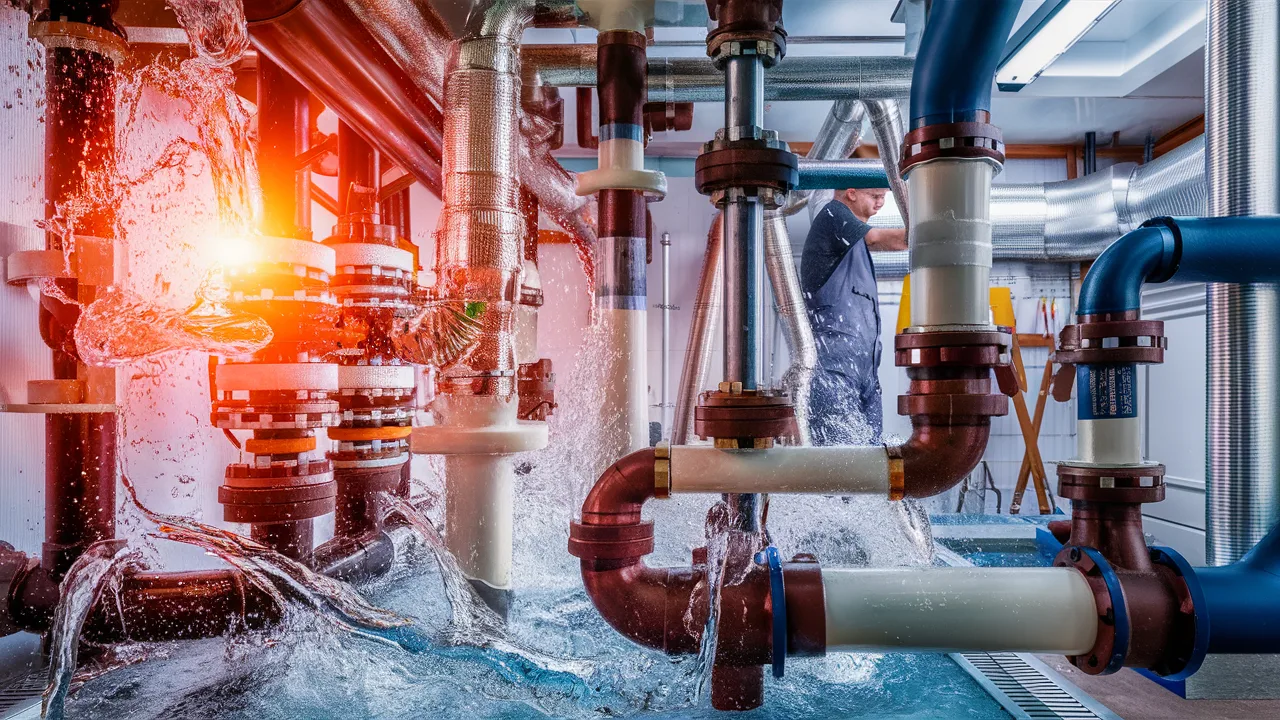
Plumbing installation is a critical component of any residential, commercial, or industrial building. It forms the backbone of water supply and drainage systems, ensuring that clean water flows efficiently while wastewater is safely removed. A properly designed and installed plumbing system not only enhances functionality but also prevents long-term issues such as leaks, blockages, and water damage.
In modern construction, plumbing installation goes beyond simply connecting pipes. It involves careful planning, adherence to building codes, and the use of high-quality materials to ensure durability and efficiency. Whether constructing a new building or upgrading an existing system, understanding the principles of plumbing installation is essential for achieving optimal performance.
Understanding Plumbing Systems and Their Components
A comprehensive plumbing system consists of several interconnected components, each playing a vital role in water distribution and waste management. The primary elements include water supply lines, drainage pipes, fixtures, valves, and vents.
Water supply lines deliver clean water from the main source to various fixtures such as sinks, showers, and appliances. These pipes are typically made from materials like copper, PEX, or PVC, chosen for their durability and resistance to corrosion. Drainage systems, on the other hand, are responsible for removing wastewater and directing it to the sewer or septic system.
Vent pipes are another essential component, allowing air to circulate within the plumbing system. This prevents vacuum formation and ensures smooth water flow. Together, these components create a balanced and efficient system that supports daily activities.
Step-by-Step Plumbing Installation Process
The plumbing installation process begins with detailed planning and design. This stage involves mapping out pipe routes, selecting appropriate materials, and ensuring compliance with local building codes. Proper planning minimizes errors and ensures that the system functions efficiently.
Once the design is finalized, the next step is rough-in plumbing. This involves installing water supply lines and drainage pipes within walls, floors, and ceilings before the structure is completed. Precision is crucial during this stage to avoid misalignment and future complications.
After rough-in installation, fixtures such as sinks, toilets, and faucets are installed. This phase, known as finish plumbing, focuses on connecting fixtures to the main system and ensuring proper functionality. Finally, the system undergoes testing to identify leaks, pressure issues, or blockages, ensuring everything operates smoothly.
Essential Tools and Materials for Plumbing Installation
Successful plumbing installation requires a range of specialized tools and materials. Common tools include pipe cutters, wrenches, pliers, and measuring instruments. These tools enable precise cutting, fitting, and securing of pipes.
Materials play an equally important role. Pipes made from PVC, copper, or PEX are widely used due to their reliability and versatility. Sealants, adhesives, and fittings ensure leak-proof connections, while valves and connectors provide control over water flow.
Using high-quality materials not only enhances system performance but also extends its lifespan. Investing in durable components reduces maintenance costs and prevents frequent repairs.
Modern Plumbing Techniques and Innovations
Advancements in technology have significantly improved plumbing installation methods. Modern techniques focus on efficiency, sustainability, and ease of maintenance. One notable innovation is the use of PEX piping, which offers flexibility and resistance to freezing, making it a popular choice in residential construction.
Another advancement is the integration of smart plumbing systems. These systems use sensors and automation to monitor water usage, detect leaks, and optimize efficiency. Smart technology enhances convenience while reducing water waste.
Eco-friendly practices are also gaining traction. Low-flow fixtures, water-saving appliances, and efficient pipe layouts contribute to sustainable plumbing systems that minimize environmental impact.
Common Plumbing Installation Mistakes to Avoid
Despite careful planning, certain mistakes can compromise the effectiveness of a plumbing system. One common error is improper pipe sizing, which can lead to low water pressure or restricted flow. Ensuring the correct pipe diameter is essential for maintaining optimal performance.
Another mistake is poor sealing of joints and connections. Even minor leaks can cause significant damage over time, making proper sealing techniques crucial. Incorrect slope in drainage pipes can also result in slow drainage or blockages.
Failing to follow building codes and regulations is another critical issue. Compliance ensures safety, functionality, and legal approval, making it a fundamental aspect of any plumbing installation project.
Plumbing Installation Cost and Budget Considerations
The cost of plumbing installation varies depending on factors such as project size, materials, labor, and complexity. Residential installations are generally more affordable, while commercial projects may require extensive systems and higher investment.
Material selection significantly impacts cost. While premium materials may have a higher upfront cost, they offer better durability and lower maintenance expenses. Labor costs also vary based on expertise and location.
Budgeting for plumbing installation should include not only initial expenses but also long-term maintenance and potential upgrades. A well-planned budget ensures a balance between quality and affordability.
Benefits of Professional Plumbing Installation
Hiring professional plumbers offers numerous advantages. Experienced professionals have the knowledge and skills to handle complex installations, ensuring accuracy and efficiency. They are also familiar with local building codes, reducing the risk of compliance issues.
Professional installation minimizes the likelihood of errors, saving time and money in the long run. Additionally, experts use advanced tools and techniques to deliver high-quality results.
While DIY approaches may seem cost-effective, they often lead to complications that require costly repairs. Investing in professional services ensures reliability and peace of mind.
Maintenance Tips for Long-Lasting Plumbing Systems
Proper maintenance is essential for preserving the performance of a plumbing system. Regular inspections help identify potential issues before they escalate. Checking for leaks, monitoring water pressure, and cleaning drains are simple yet effective practices.
Using quality fixtures and avoiding misuse can also extend the lifespan of the system. For example, preventing grease or debris from entering drains reduces the risk of blockages.
Routine maintenance not only enhances efficiency but also reduces repair costs, ensuring the system remains in optimal condition for years.
Conclusion: Building a Strong Plumbing Foundation
Plumbing installation is a vital aspect of any construction project, requiring careful planning, quality materials, and professional expertise. A well-installed system ensures efficient water flow, reliable drainage, and long-term durability.
By understanding the installation process, avoiding common mistakes, and investing in modern techniques, homeowners and builders can achieve a plumbing system that meets both functional and environmental standards. Whether for a new build or renovation, proper plumbing installation lays the foundation for a safe and comfortable living environment.
FAQ: Plumbing Installation
What is plumbing installation?
Plumbing installation involves setting up pipes, fixtures, and systems for water supply and drainage in a building.
How long does plumbing installation take?
The duration depends on the project size, but residential installations typically take several days to a few weeks.
What materials are best for plumbing systems?
Common materials include PVC, copper, and PEX, each offering durability and reliability.
Can I install plumbing myself?
While minor tasks can be DIY, professional installation is recommended for complex systems.
How much does plumbing installation cost?
Costs vary based on materials, labor, and project complexity, ranging from moderate to high investment.
Why is proper plumbing installation important?
It ensures efficient water flow, prevents leaks, and reduces long-term maintenance issues.
