
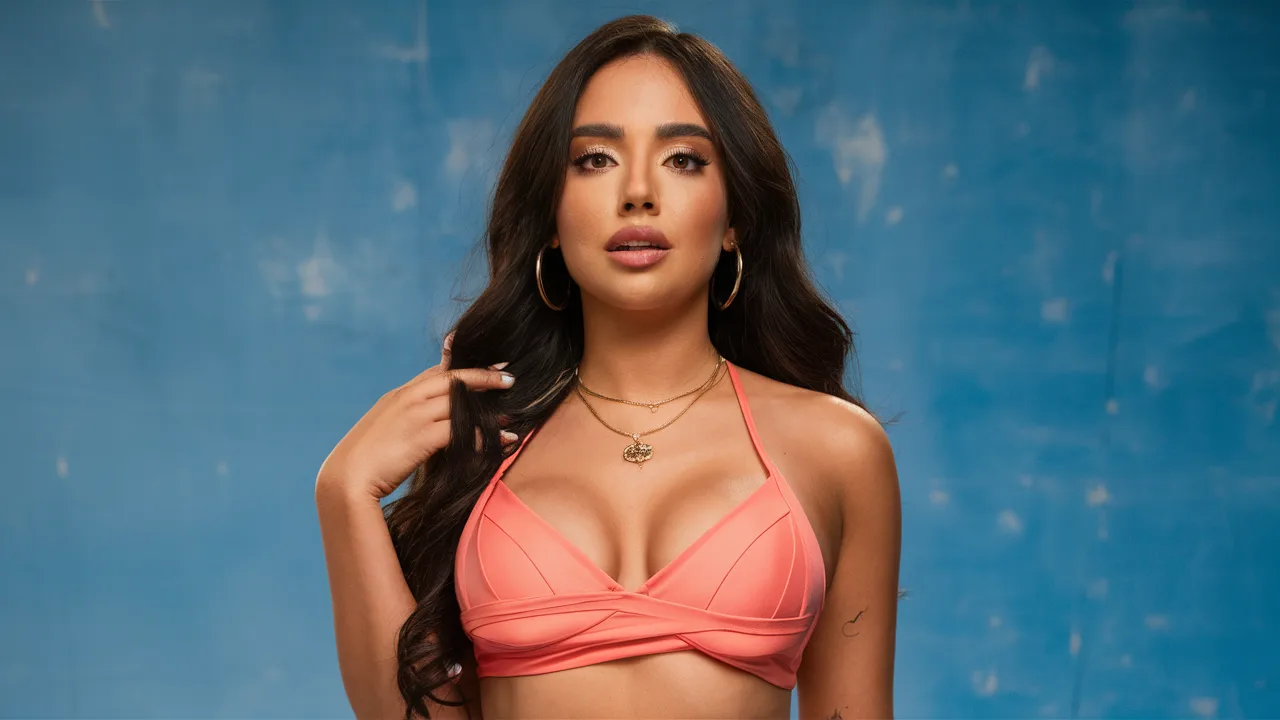
The phrase “Aishah Sofey OnlyFans leaks” has become a trending search term, reflecting a larger digital issue that affects creators worldwide. While online platforms provide individuals with opportunities to monetize exclusive content and connect directly with audiences, they also present significant vulnerabilities. Unauthorized sharing, piracy, and digital exploitation are growing concerns, particularly for subscription-based platforms such as OnlyFans. In this article, we examine the broader context behind searches like “Aishah Sofey OnlyFans leaks,” focusing on privacy rights, copyright law, ethical consumption, and the long-term consequences of digital breaches. Rather than amplifying harmful content, we provide an authoritative and informative exploration of the subject.
The Rise of Subscription Content Platforms
Over the past decade, subscription-based platforms have revolutionized digital entrepreneurship. Creators now have the power to monetize exclusive content, build communities, and control distribution channels without relying on traditional media structures. This shift has empowered influencers, models, educators, fitness experts, and entertainers to operate independently while maintaining ownership of their content.
However, with financial opportunity comes vulnerability. When private content is placed behind a paywall, it becomes a target for unauthorized distribution. Leaks often occur through screenshotting, screen recording, hacking attempts, or account sharing. The impact extends beyond financial loss; it affects mental health, personal safety, and long-term brand integrity.
What “OnlyFans Leaks” Really Mean
When people search for terms like “Aishah Sofey OnlyFans leaks,” they are typically referring to unauthorized redistribution of paid content outside the original platform. This type of activity is considered copyright infringement and, in many cases, a violation of privacy laws. Subscription-based platforms operate under strict terms of service, making it illegal to redistribute purchased content without explicit consent.
Creators rely on subscriber payments as their primary source of income. When material is leaked, it undermines their financial model and reduces the value of their exclusive offerings. In addition, leaked content can spread rapidly across forums, file-sharing websites, and social media platforms, making containment extremely difficult once distribution begins.
Legal Consequences of Unauthorized Content Sharing
Unauthorized distribution of subscription content carries serious legal risks. Copyright law protects original digital media, including photographs, videos, and written material. When someone shares or downloads leaked content without permission, they may be engaging in unlawful activity.
Many creators pursue DMCA takedown notices to remove infringing material. Platforms that host leaked content can also face liability if they fail to respond appropriately. In some jurisdictions, civil penalties may include financial damages, while severe cases involving hacking or harassment can escalate to criminal charges.
The misconception that “viewing leaked content is harmless” ignores the legal framework surrounding intellectual property. Digital footprints are traceable, and enforcement mechanisms continue to strengthen globally.
The Ethical Dimension of Consuming Leaked Content
Beyond legality, there is an ethical responsibility associated with digital behavior. Creators choose subscription platforms because they provide controlled access and fair compensation. Supporting leaked material directly contradicts that structure and harms the very individuals audiences claim to admire.
The normalization of leak culture contributes to a broader environment of digital exploitation. It reduces trust between creators and subscribers, encourages cyber harassment, and fosters a market for piracy-driven websites. Ethical online consumption means respecting paywalls, honoring consent, and understanding that exclusive content is not public property.
Reputation and Psychological Impact
Search trends like “Aishah Sofey OnlyFans leaks” illustrate how quickly a name can become associated with controversy, even if the individual was not responsible for any breach. This association can affect sponsorships, partnerships, and public perception. Online reputations are fragile, and search engine indexing amplifies visibility within seconds.
The psychological impact on creators can be profound. Stress, anxiety, reputational damage, and fear of further breaches often follow unauthorized exposure. Digital harassment frequently accompanies leaks, compounding emotional strain. Recognizing this human element is essential when discussing trending topics tied to private content.
How Creators Protect Their Digital Assets
Many creators implement proactive measures to safeguard their content. These measures include watermarking, advanced security authentication, copyright registration, and regular monitoring of file-sharing platforms. Some work with legal teams specializing in digital rights enforcement to quickly remove infringing material.
Platforms themselves invest heavily in cybersecurity infrastructure to prevent account breaches. Two-factor authentication, encrypted storage systems, and automated piracy detection tools are increasingly common. While no system is entirely immune, technological safeguards significantly reduce risk.
The Role of Search Engines and Online Platforms
Search engines and hosting providers play a central role in shaping how leak-related searches evolve. Responsible platforms prioritize removal of copyrighted material upon valid notice. They also refine algorithms to reduce visibility of piracy-focused websites.
Users influence this ecosystem as well. Search demand drives content visibility. When audiences shift toward responsible consumption and stop seeking leaked material, the financial incentive for piracy declines. The digital environment reflects collective behavior patterns.
Promoting Responsible Digital Culture
The broader conversation surrounding “Aishah Sofey OnlyFans leaks” highlights a crucial issue: digital ethics must evolve alongside technology. Online communities can foster respect by discouraging unauthorized sharing and reporting harmful links. Education about copyright law and privacy rights is essential for younger internet users who may underestimate the seriousness of digital misconduct.
Supporting creators through legitimate subscriptions ensures sustainable content production. It also reinforces a culture where consent and compensation are prioritized over exploitation. Responsible digital engagement strengthens both creators and audiences in the long term.
Conclusion
The search phrase “Aishah Sofey OnlyFans leaks” reflects a larger pattern of curiosity surrounding unauthorized digital distribution. Yet beneath the surface lies a complex issue involving copyright law, online safety, ethical responsibility, and reputational impact. Subscription-based creators depend on controlled access to protect both their income and personal boundaries. Unauthorized leaks not only violate legal protections but also undermine trust within digital communities.
As technology continues to advance, the importance of respecting privacy, honoring intellectual property rights, and supporting legitimate platforms becomes increasingly critical. Responsible behavior online safeguards not only creators but also the integrity of the digital ecosystem as a whole.
Frequently Asked Questions (FAQ)
What does “OnlyFans leaks” mean?
It refers to unauthorized sharing or redistribution of subscription-based content outside the original platform.
Is viewing leaked subscription content illegal?
In many cases, downloading or redistributing copyrighted content without permission violates intellectual property laws.
How do creators respond to content leaks?
Creators typically file DMCA takedown notices, pursue legal action if necessary, and strengthen digital security measures.
Why do leaks affect reputation?
Search engine indexing associates names with trending keywords, which can influence public perception and professional opportunities.
How can users support creators ethically?
By subscribing through official platforms, avoiding piracy websites, and reporting unauthorized content when encountered.
