
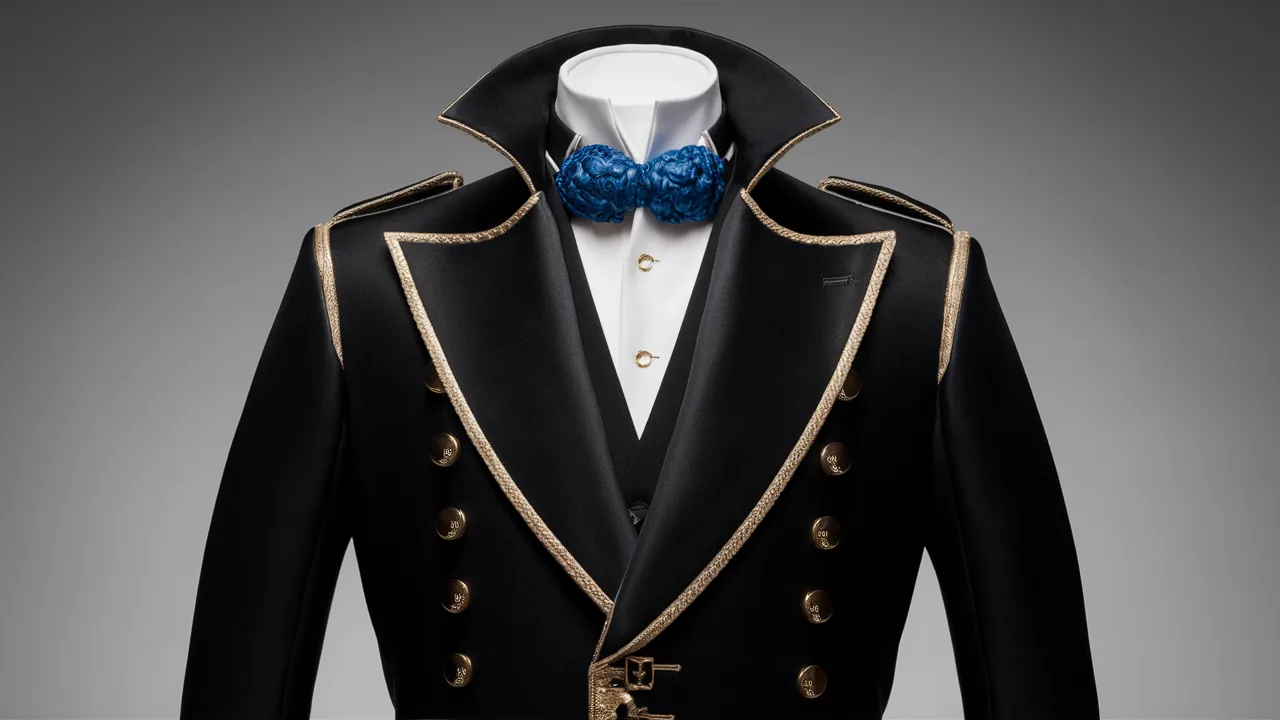
The cummerbund is one of the most elegant yet misunderstood elements of men’s formalwear. Often seen at black tie events, galas, weddings, and formal dinners, this pleated sash worn around the waist adds sophistication and structural balance to a tuxedo ensemble. Despite its refined appearance, many people remain uncertain about its purpose, history, and correct styling.
In this comprehensive guide, we explore the origins of the cummerbund, explain how it became a staple of formal dress, outline proper etiquette rules, and provide practical styling advice for modern wearers. Whether preparing for a wedding, a red-carpet event, or a formal evening affair, understanding the role of the cummerbund ensures a polished and confident appearance.
The History of the Cummerbund
The word cummerbund originates from the Persian term “kamarband,” meaning “waistband.” The garment was introduced to Western fashion during British colonial rule in India in the 19th century. British military officers stationed in the region adopted the waist sash as a lighter alternative to traditional waistcoats in warmer climates. Over time, the accessory evolved into a refined component of Western formal eveningwear.
By the early 20th century, the cummerbund became associated with the emerging black tie dress code. It was worn as part of the tuxedo ensemble to create a seamless transition between shirt and trousers, maintaining clean visual lines. Its popularity grew in Europe and North America, particularly at formal dinners and high-society gatherings.
Today, the cummerbund remains a timeless symbol of elegance, representing tradition, structure, and attention to sartorial detail.
What Is a Cummerbund and What Is Its Purpose?
A cummerbund is a broad, pleated sash worn around the waist with a tuxedo. Traditionally made from silk or satin to match the lapels of a dinner jacket, it is secured at the back and worn over the waistband of trousers.
Its primary purposes include:
-
Concealing the waistband and shirt fabric between jacket and trousers
-
Creating a smooth and refined silhouette
-
Maintaining the formal integrity of black tie attire
-
Enhancing overall symmetry in a tuxedo ensemble
The pleats of the cummerbund are worn facing upward. Historically, these pleats were said to serve as small pockets for holding opera tickets or similar items, though today this function is largely symbolic.
Cummerbund vs Waistcoat: Understanding the Difference
Many people confuse a cummerbund with a waistcoat (vest), yet the two serve similar but distinct roles in formal attire. Both are worn with tuxedos, but never together.
A waistcoat provides additional structure and coverage across the torso, while a cummerbund focuses specifically on covering the waist area. Waistcoats are more commonly seen in colder climates or slightly less formal variations of eveningwear, whereas cummerbunds remain the classic choice for traditional black tie events.
Choosing between the two depends on personal preference, climate, and event formality. However, strict black tie etiquette traditionally favors either a cummerbund or a low-cut formal waistcoat—not both.
How to Wear a Cummerbund Properly
Wearing a cummerbund correctly is essential for achieving a polished look. Follow these key principles:
1. Pair It with a Tuxedo
A cummerbund is designed specifically for tuxedos, not standard business suits. It complements the satin lapels and formal trousers of black tie attire.
2. Match the Fabric
The fabric of the cummerbund should match the lapel facing of the tuxedo jacket. For example, if the lapels are satin, the cummerbund should also be satin.
3. Pleats Facing Up
Always wear the pleats facing upward. This is a traditional rule of formal dress.
4. Proper Fit
The cummerbund should sit at your natural waist, covering the waistband of your trousers and the bottom of your shirt. It should fit snugly but comfortably.
5. Coordinate Colors Carefully
Classic black remains the safest choice for formal black tie events. However, deep jewel tones such as burgundy, midnight blue, or emerald are sometimes acceptable for themed events or creative black tie occasions.
When to Wear a Cummerbund
The cummerbund is most appropriate for:
-
Black tie weddings
-
Formal galas
-
Award ceremonies
-
Opera or theater premieres
-
Formal evening dinners
It is generally not suitable for business formal attire, daytime events, or casual gatherings. Understanding dress code terminology is essential. If an invitation specifies “black tie,” a cummerbund is traditionally acceptable and often encouraged.
Modern Trends in Cummerbund Styling
While the traditional black silk cummerbund remains a classic, contemporary fashion has introduced variations in texture and color. Velvet dinner jackets paired with coordinating cummerbunds have become popular at winter events. Some modern designers also experiment with subtle patterns or monochromatic styling.
Despite evolving trends, restraint remains key. The cummerbund is meant to enhance elegance rather than dominate the ensemble. Overly bright colors or distracting patterns can undermine the sophistication of black tie attire.
Choosing the Right Cummerbund
When selecting a cummerbund, consider the following factors:
Material
Silk and satin remain the most traditional choices. High-quality fabrics provide better structure and sheen.
Color
Black is universally appropriate. Other colors should be chosen carefully and matched with bow ties or accessories.
Adjustability
Look for adjustable straps or elastic closures for comfort and proper fit.
Occasion
Formal evening events require traditional styling, while creative black tie allows slight experimentation.
Investing in a high-quality cummerbund ensures longevity and versatility for multiple formal occasions.
Common Mistakes to Avoid
Even experienced dressers can make errors when wearing a cummerbund. Avoid these common mistakes:
-
Wearing it with a regular necktie instead of a bow tie
-
Pairing it with a business suit
-
Wearing it upside down
-
Choosing mismatched fabrics
-
Wearing both a waistcoat and cummerbund together
Attention to these details distinguishes refined formalwear from costume-like styling.
The Cummerbund’s Role in Formal Etiquette
Formalwear follows structured etiquette traditions. The cummerbund contributes to visual harmony by ensuring no shirt fabric is visible between jacket and trousers when standing. It reinforces the architectural structure of the tuxedo silhouette.
In formal culture, details matter. A properly worn cummerbund signals awareness of tradition, respect for the event, and appreciation for sartorial craftsmanship.
Conclusion
The cummerbund is more than a decorative accessory; it is a symbol of timeless formal elegance rooted in history and tradition. From its origins in Persian and colonial Indian attire to its adoption into Western black tie dress codes, it has evolved into a staple of refined eveningwear. When worn correctly, it enhances the tuxedo’s silhouette, conceals transitional elements, and elevates the overall appearance.
Understanding how to choose, wear, and style a cummerbund ensures confidence at any formal occasion. Whether attending a wedding, gala, or opera performance, this classic waist accessory remains an enduring element of men’s formal fashion.
Frequently Asked Questions (FAQ)
What is the purpose of a cummerbund?
A cummerbund conceals the waistband of tuxedo trousers and creates a smooth, formal silhouette.
Can you wear a cummerbund with a suit?
No, a cummerbund is specifically designed for tuxedos and black tie attire.
Do the pleats face up or down?
The pleats should always face upward.
Should the cummerbund match the bow tie?
Traditionally, yes. They should be made of the same fabric and color for a cohesive look.
Is a cummerbund still fashionable today?
Yes, the cummerbund remains a classic and respected component of formal eveningwear.
If you would like, I can also create a luxury fashion-focused version targeting high-end menswear audiences or wedding fashion markets.
