
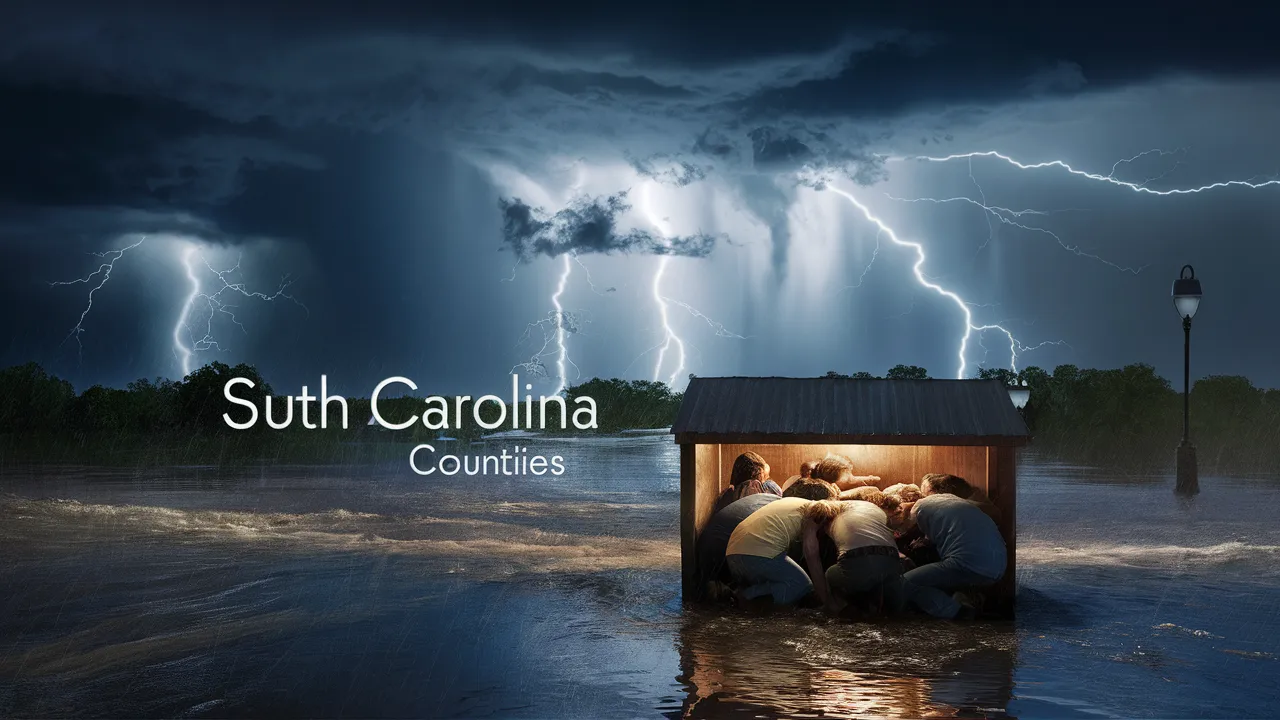
Severe weather conditions have intensified across South Carolina, prompting multiple thunderstorm alerts that demand immediate public attention. These alerts signal the potential for damaging winds, heavy rainfall, lightning, and possible flash flooding, posing significant risks to both urban and rural communities. As weather systems become more unpredictable, staying informed and prepared is essential for minimizing danger and ensuring public safety.
The issuance of multiple alerts indicates a widespread weather event affecting numerous counties simultaneously. Residents are urged to monitor updates closely and take necessary precautions as conditions evolve rapidly. Understanding the nature of these storms and how to respond effectively can make a critical difference during severe weather situations.
What Severe Thunderstorm Alerts Mean
Multiple Severe Thunderstorm Alerts Issued for South Carolina Counties issued in South Carolina are official warnings that hazardous weather conditions are either imminent or already occurring. These alerts typically originate from organizations like the National Weather Service, which monitors atmospheric patterns and provides real-time forecasts.
A severe thunderstorm warning generally indicates the presence of:
- Wind gusts exceeding 58 mph
- Large hail capable of causing damage
- Frequent lightning strikes
- Heavy rainfall leading to flooding risks
These conditions can escalate quickly, making early awareness and immediate action essential.
Counties Affected and Regional Impact
The widespread nature of these alerts across South Carolina suggests that multiple counties are experiencing varying levels of storm intensity. Coastal areas may face strong winds and heavy rain bands, while inland regions could see localized flooding and lightning activity.
Urban centers are particularly vulnerable due to drainage limitations, which can lead to rapid water accumulation on roads and streets. Rural areas, on the other hand, may experience power outages and tree damage caused by high winds. The regional diversity of impacts highlights the importance of localized preparedness and awareness.
Primary Risks Associated with Severe Thunderstorms
1. Damaging Winds
Strong wind gusts can uproot trees, damage roofs, and disrupt power lines, leading to outages and hazardous conditions.
2. Flash Flooding
Heavy rainfall within a short period can overwhelm drainage systems, causing sudden flooding in low-lying areas.
3. Lightning Strikes
Frequent lightning poses risks to both individuals and infrastructure, increasing the likelihood of fires and electrical damage.
4. Hail Damage
Large hailstones can damage vehicles, crops, and buildings, resulting in significant financial losses.
5. Reduced Visibility
Intense rainfall can make driving extremely dangerous, increasing the risk of accidents.
How to Stay Safe During Severe Thunderstorms
Stay Informed
Monitor updates from reliable sources such as the National Weather Service and local news outlets.
Seek Shelter Immediately
Move indoors to a sturdy building and avoid open areas. Stay away from windows and glass doors.
Avoid Electrical Appliances
Lightning can travel through electrical systems, so unplug devices and avoid using wired electronics.
Prepare an Emergency Kit
Include essentials such as water, food, flashlights, batteries, and a first-aid kit.
Limit Travel
Avoid driving during severe storms unless absolutely necessary. Flooded roads can be extremely dangerous.
Emergency Preparedness Strategies
Preparation is key to minimizing the impact of severe weather. Residents in South Carolina should take proactive steps to ensure safety.
- Secure outdoor items that could become projectiles in strong winds
- Charge mobile devices in advance of potential power outages
- Identify safe areas within homes for shelter
- Develop a family emergency plan to ensure everyone knows what to do
These measures significantly improve readiness and reduce risk during sudden weather events.
The Role of Weather Monitoring Agencies
Organizations like the National Weather Service play a crucial role in tracking storm systems and issuing timely alerts. Using advanced radar technology and forecasting models, they provide accurate and up-to-date information that helps communities respond effectively.
Their alerts are designed to give residents enough time to prepare and take protective action, highlighting the importance of paying attention to official warnings.
Long-Term Weather Trends and Climate Considerations
The increasing frequency of severe thunderstorms in regions like South Carolina reflects broader climate trends. Warmer temperatures and changing atmospheric conditions contribute to more intense and unpredictable weather patterns.
Understanding these trends is essential for long-term planning and resilience. Communities must adapt by improving infrastructure, enhancing emergency response systems, and promoting public awareness.
Conclusion
The issuance of Multiple Severe Thunderstorm Alerts Issued for South Carolina Counties underscores the importance of vigilance, preparation, and timely action. These storms bring a range of hazards, from damaging winds to flash flooding, all of which require immediate attention and response.
By staying informed, following safety guidelines, and preparing in advance, residents can significantly reduce the risks associated with severe weather. As climate patterns continue to evolve, proactive measures and community awareness will remain critical in ensuring safety and resilience.
Frequently Asked Questions (FAQ)
What triggers a severe thunderstorm alert?
Alerts are issued when conditions indicate strong winds, heavy rain, hail, or lightning that could pose a threat.
Which areas are most at risk during these storms?
Both urban and rural areas in South Carolina can be affected, with risks varying by location.
How long do severe thunderstorm warnings last?
They typically last 30 to 60 minutes, depending on storm movement and intensity.
What should we do during a thunderstorm warning?
Seek shelter immediately, avoid electrical devices, and stay informed through reliable sources like the National Weather Service.
Can severe thunderstorms lead to other hazards?
Yes, they can cause flash flooding, power outages, and property damage, making preparedness essential.
