Close Menu

    Subscribe to Updates

    Get the latest creative news from FooBar about art, design and business.

    What's Hot

    Your complete walkthrough to online pokies at Fair Go Casino Australia: tips for new

    How to get started with sports betting at Parimatch India: a beginner’s guide

    Casinos sin verificación: la nueva era del juego online sin procesos de KYC

    Facebook X (Twitter) Instagram
    • Homepage
    • Tech
    • Business
    • Lifestyle
    • Health
    • Sports
    • Contact us
    Facebook X (Twitter) Instagram Pinterest Vimeo
    Cummerbund
    • Homepage
    • Tech
    • Business
    • Lifestyle
    • Health
    • Sports
    • Contact us
    Subscribe
    Cummerbund
    You are at:Home » E l e p h: The Gentle Giant of the Wild – Facts, Habitat, Behavior, and Conservation
    Animal

    E l e p h: The Gentle Giant of the Wild – Facts, Habitat, Behavior, and Conservation

    adminBy adminMarch 3, 2026Updated:August 14, 2026No Comments6 Mins Read22 Views
    Facebook Twitter Pinterest Telegram LinkedIn Tumblr Email Reddit
    E l e p h
    Share
    Facebook Twitter LinkedIn Pinterest WhatsApp Email

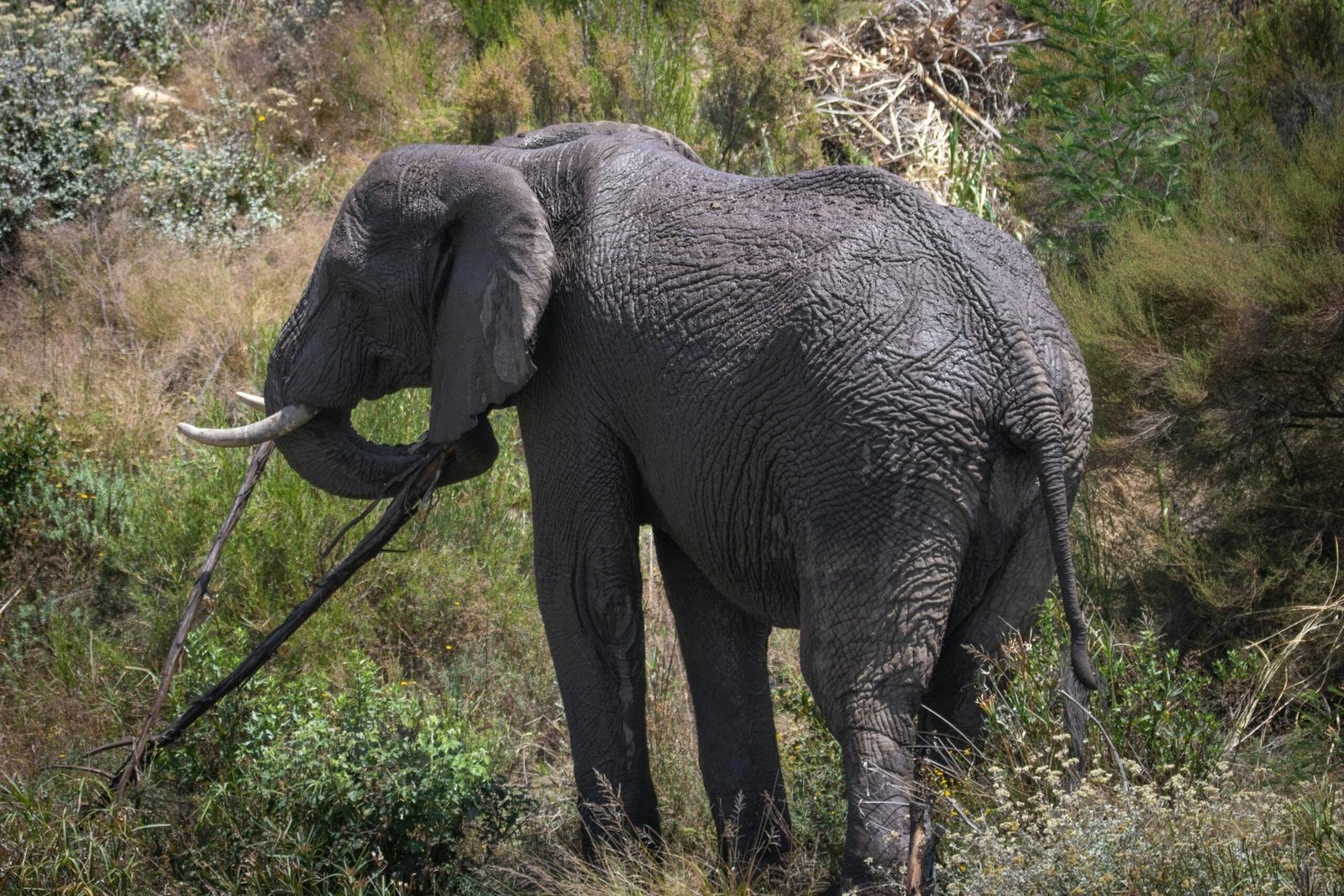
    The E l e p h stands as one of the most recognizable and majestic animals on Earth. Known for its immense size, extraordinary intelligence, and deeply social behavior, the elephant has fascinated humans for centuries. From ancient civilizations that revered E l e p h as symbols of wisdom and strength to modern wildlife conservation efforts aimed at protecting them, these magnificent creatures occupy a significant place in both nature and culture. In this comprehensive guide, we explore elephant species, habitat, diet, lifespan, behavior, ecological importance, and conservation challenges in depth, offering detailed insights into why elephants remain one of the most studied and admired mammals in the world.

    Elephant Species: African and Asian E l e p h

    There are three recognized species of elephants today: the African savanna E l e p h, the African forest E l e p h, and the Asian E l e p h. The African savanna E l e p h is the largest land animal on the planet, known for its massive ears shaped somewhat like the African continent. The African forest elephant, smaller and more elusive, inhabits dense rainforests and plays a critical role in seed dispersal within tropical ecosystems. The Asian elephant, slightly smaller than its African counterpart, has rounded ears and a more domed head. These species differ in physical characteristics, habitat preferences, and social structures, yet they all share high intelligence, emotional depth, and complex communication abilities.

    E l e p h have adapted remarkably to diverse environments, from savannas and grasslands to forests and wetlands. Their physical features, including powerful trunks and strong tusks, enable them to survive in challenging conditions while shaping their surroundings.

    E l e p h Habitat and Geographic Distribution

    E l e p h are native to parts of Africa and Asia, inhabiting a variety of ecosystems. African elephants roam across sub-Saharan Africa, including countries such as Kenya, Botswana, Tanzania, and South Africa. Asian elephants are found in India, Sri Lanka, Thailand, Myanmar, and parts of Southeast Asia.

    Their habitats range from open savannas to thick jungles. Elephants require large territories because of their substantial dietary needs and migratory behaviors. Access to water is crucial, as elephants drink up to 50 gallons of water daily. Seasonal migrations allow them to find fresh vegetation and water sources, making their survival closely tied to environmental stability and land availability.

    E l e p h Diet and Feeding Behavior

    The E l e p h diet consists primarily of grasses, leaves, bark, fruits, and roots. As herbivores, E l e p h spend up to 16 hours a day feeding. Their trunks, which contain over 40,000 muscles, serve as versatile tools for grasping food, breaking branches, and even delicately picking small objects.

    An adult E l e p h can consume between 200 to 300 pounds of vegetation daily. This massive intake makes them ecosystem engineers, as their feeding habits open up forest canopies, create clearings, and promote biodiversity. Seeds consumed by elephants often pass through their digestive systems and are deposited elsewhere, aiding in plant regeneration and forest expansion.

    E l e p h Intelligence and Social Structure

    E l e p h are widely recognized for their remarkable intelligence. Studies have shown that elephants demonstrate self-awareness, problem-solving skills, empathy, and even mourning behaviors. Their large brains, particularly the well-developed neocortex and temporal lobes, support advanced cognitive functions.

    E l e p h live in matriarchal societies led by the oldest and often wisest female. These family groups consist of mothers, daughters, and young calves. The matriarch guides the herd, remembers migration routes, and identifies water sources during drought conditions. Male E l e p h typically leave the herd upon reaching adolescence and may live alone or form bachelor groups.

    Communication among E l e p h involves vocalizations, body language, and infrasonic sounds that travel long distances. These low-frequency rumbles allow elephants to coordinate movements and maintain social bonds even when separated by miles.

    E l e p h Lifespan and Reproduction

    The elephant lifespan in the wild averages between 60 to 70 years, making them one of the longest-living land mammals. Their slow reproduction rate contributes to conservation challenges. Female elephants have a gestation period of approximately 22 months—the longest of any land animal. Usually, a single calf is born, and the mother invests significant time and energy in raising it.

    Calves remain dependent on their mothers for several years, learning survival skills and social behaviors within the herd. The strong familial bonds observed among elephants play a vital role in calf development and overall herd stability.

    Why E l e p h Are Important to the Ecosystem

    Elephants are often described as a keystone species because their activities significantly shape their environments. By knocking down trees and clearing brush, they maintain open grasslands that benefit numerous other species. Their role in seed dispersal supports forest diversity and regeneration.

    Water holes dug by elephants provide hydration sources for smaller animals during dry seasons. In forest habitats, their movement creates pathways used by other wildlife. The ecological impact of elephants extends far beyond their own survival, making their protection essential for maintaining balanced ecosystems.

    E l e p h Conservation and Threats

    Despite their ecological importance, elephants face serious threats. Poaching for ivory, habitat destruction, and human-wildlife conflict have significantly reduced elephant populations. Expanding agriculture and urban development limit migratory routes, increasing encounters between elephants and human communities.

    Conservation efforts focus on anti-poaching patrols, protected reserves, wildlife corridors, and international ivory trade bans. Organizations and governments collaborate to raise awareness and implement sustainable coexistence strategies. Technological advancements such as GPS tracking and drone monitoring further enhance conservation effectiveness.

    While progress has been made, continued global commitment remains essential to ensure elephants thrive for future generations.

    Conclusion

    The E l e p h represents strength, intelligence, and ecological balance within the natural world. From their intricate social structures and emotional depth to their transformative role in shaping ecosystems, elephants are far more than large mammals—they are foundational pillars of biodiversity. Understanding elephant species, habitat, diet, lifespan, and conservation challenges allows us to appreciate their significance fully. Protecting elephants is not merely about preserving a single species; it is about safeguarding entire ecosystems that depend on their presence. Through informed awareness and sustained conservation action, we can ensure that these gentle giants continue to roam the Earth for centuries to come.

    Frequently Asked Questions (FAQ)

    What are the main types of elephants?

    There are three main species: African savanna elephant, African forest elephant, and Asian elephant.

    How long do elephants live?

    Elephants typically live between 60 and 70 years in the wild.

    What do elephants eat?

    Elephants are herbivores and consume grasses, leaves, fruits, bark, and roots.

    Why are elephants important to ecosystems?

    Elephants maintain biodiversity by dispersing seeds, creating water sources, and shaping vegetation patterns.

    What are the biggest threats to elephants?

    The primary threats include poaching, habitat loss, and human-wildlife conflict.

    Share. Facebook Twitter Pinterest LinkedIn Reddit WhatsApp Telegram Email
    Previous ArticleJuraganwin33.com – Complete Guide to Features, Security, and Online Gaming Experience
    Next Article Agreeable Gray: The Ultimate Guide to Sherwin-Williams’ Most Popular Neutral Paint Color
    admin
    • Website

    Leave A Reply Cancel Reply

    Recent Posts

    • Your complete walkthrough to online pokies at Fair Go Casino Australia: tips for new
    • How to get started with sports betting at Parimatch India: a beginner’s guide
    • Casinos sin verificación: la nueva era del juego online sin procesos de KYC
    • Non-UK casinos: safe gaming features and international licensing explained
    • A beginner’s roadmap to Online Pokies NZ 2026: Tips for seamless gameplay

    Recent Comments

    1. A WordPress Commenter on Hello world!
    Demo
    Top Posts

    TaiteHambelton: Biography, Career Highlights, Key Facts, and What Makes Him Notable

    January 28, 2026325 Views

    Anawanaxd Leaks: Online Search Context, Privacy Awareness, and Responsible Digital Information

    January 27, 2026111 Views

    Queensland Couple’s COVID-19 Hotel Quarantine Exemption Photo Story

    January 22, 202160 Views

    ToTo808.online -: The Complete Guide to Slots, Bonuses, Smart Play, and Better Winning Potential

    January 28, 202644 Views
    Don't Miss
    public September 6, 2026

    Your complete walkthrough to online pokies at Fair Go Casino Australia: tips for new

    Online pokies have gained immense popularity among Australian players, providing engaging gaming experiences from the…

    How to get started with sports betting at Parimatch India: a beginner’s guide

    Casinos sin verificación: la nueva era del juego online sin procesos de KYC

    Non-UK casinos: safe gaming features and international licensing explained

    Stay In Touch
    • Facebook
    • Twitter
    • Pinterest
    • Instagram
    • YouTube
    • Vimeo

    Subscribe to Updates

    Get the latest creative news from SmartMag about art & design.

    Demo

    Archives

    • September 2026
    • August 2026
    • July 2026
    • June 2026
    • April 2026
    • March 2026
    • February 2026
    • January 2026
    • January 2021
    • March 2020
    • January 2020

    Categories

    • Animal
    • Art
    • Beauty
    • Blog
    • Business
    • Casino
    • Celebrity
    • Decor
    • Drinks
    • Education
    • Entertainment
    • Fashion
    • Featured
    • Featured Stories
    • Fish
    • Food
    • Game
    • Health
    • Health&Fitness
    • LAW
    • Lifestyle
    • News
    • Pet
    • Plants
    • public
    • Relations
    • Social Media
    • Sports
    • Spotlight
    • Tech
    • Technology
    • Travel
    • Travel & Tourism
    • Trends
    About Us
    About Us

    Your source for the lifestyle news. This demo is crafted specifically to exhibit the use of the theme as a lifestyle site. Visit our main page for more demos.

    We're accepting new partnerships right now.

    Email Us: info@example.com
    Contact: +1-320-0123-451

    Facebook X (Twitter) Pinterest YouTube WhatsApp
    Our Picks

    Your complete walkthrough to online pokies at Fair Go Casino Australia: tips for new

    How to get started with sports betting at Parimatch India: a beginner’s guide

    Casinos sin verificación: la nueva era del juego online sin procesos de KYC

    Most Popular

    Aishah Sofey OnlyFans Leaks: Privacy, Online Safety, and the Real Impact of Content Breaches

    March 4, 20260 Views

    The silk moth is one of nature’s most remarkable creatures, renowned for its role in producing silk, one of the most luxurious and versatile natural fibers in the world. From the tiny egg to the final adult moth, silk moths undergo a complex life cycle that has fascinated scientists, farmers, and textile enthusiasts for centuries. Not only are these insects vital for the silk industry, but they also play important roles in ecosystems and biodiversity. Understanding silk moths requires a deep dive into their biology, behavior, habitat, and the intricate process by which they produce silk. These creatures are not just economically significant but also scientifically and culturally important. The silk moth, particularly the domesticated Bombyx mori, has been central to human industry for thousands of years, shaping traditions, economies, and even international trade. In this article, we provide a comprehensive guide to silk moths, covering their life cycle, species variations, habitat, silk production, and the cultural significance of these fascinating insects. Whether you are a student, a sericulture enthusiast, or simply curious about nature’s wonders, this guide explores every detail in depth. What Is a Silk Moth? Silk moth are large, domesticated or wild moth species primarily known for producing silk. The most famous silk moth, Bombyx mori, has been domesticated for thousands of years and is integral to sericulture—the cultivation of silkworms for silk production. These insects belong to the family Bombycidae, characterized by their stout bodies, small head, and large wings in adult moths. While Bombyx mori is the most widely known species, there are also wild silk moths, such as Antheraea mylitta, Antheraea pernyi, and Attacus atlas, which produce silk used in luxury textiles and traditional crafts. Each species varies in size, color, and silk quality, but all share the unique ability to spin silk from specialized glands. Silk Moth Life Cycle The life cycle of a silk moth is divided into four stages: egg, larva (caterpillar), pupa (cocoon), and adult moth. Understanding this cycle is essential, not only for biological study but also for practical sericulture applications. 1. Egg Stage The female silk moth lays hundreds of tiny eggs, which hatch within 10 to 14 days under optimal conditions. Temperature, humidity, and proper care are crucial for ensuring healthy larvae. 2. Larval Stage (Caterpillar) After hatching, the larvae, commonly known as silkworms, begin feeding voraciously on mulberry leaves (for Bombyx mori). During this stage, the caterpillars grow rapidly, molting several times as they shed their skin. This is the stage where the bulk of silk production begins, as the caterpillar prepares for cocoon formation. 3. Pupal Stage (Cocoon) The silk moth larva spins a cocoon from silk threads. This cocoon protects the pupa as it develops into an adult moth. The quality of silk depends on the cocoon structure, density of silk fibers, and careful handling during harvesting. 4. Adult Stage Finally, the silk moth emerges as an adult. In domesticated species like Bombyx mori, adults are often incapable of flying and focus solely on reproduction. Their short lifespan emphasizes the critical nature of the larval and pupal stages for silk harvesting. Habitat of Silk Moths Silk moths thrive in areas where mulberry trees or host plants are abundant, as their larvae feed exclusively on specific leaves. Domesticated silk moths are raised in controlled environments to optimize growth and silk production, while wild silk moths inhabit forests and natural habitats, contributing to biodiversity. Maintaining proper temperature, humidity, and nutrition is vital for silk moth survival, particularly for sericulture operations. Poor environmental conditions can result in weak larvae, thin silk fibers, or unsuccessful cocoon development. Silk Production and Its Importance Silk is a natural protein fiber produced by silk moth larvae during cocoon formation. The larvae secrete silk from specialized glands, spinning long, continuous threads that can be harvested and processed into fine silk fabrics. The process involves careful harvesting of cocoons, unwinding the silk threads, and spinning them into threads suitable for weaving. Silk production has been a major industry for centuries, with countries like China, India, and Japan historically leading the global trade. Applications of Silk Textiles: Clothing, scarves, luxury fabrics, upholstery. Medical Uses: Surgical sutures and biomedical materials. Crafts: Embroidery, traditional art, and decorative items. The silk moth, therefore, plays a dual role as both a biological marvel and an economic resource, influencing industries and cultures worldwide. Interesting Facts About Silk Moths Domesticated vs. Wild: Domesticated Bombyx mori cannot survive in the wild, whereas wild silk moths are adapted to forests. Silk Fiber Strength: Silk fibers are incredibly strong and elastic, often used in luxury fabrics and technical applications. Cultural Significance: Silk moths and their products have been celebrated in art, mythology, and historical trade for thousands of years. Lifecycle Efficiency: The larval stage is the most critical for silk production, emphasizing careful environmental control in sericulture. Conclusion Silk moth are extraordinary insects that blend biology, economics, and culture in unique ways. From their intricate life cycle to the delicate silk they produce, these creatures exemplify the remarkable connections between nature and human industry. Understanding silk moths—from the larval stage to adult moths—provides insight into sericulture, ecological balance, and sustainable resource management. Whether you are a student, a researcher, or someone fascinated by natural fibers, silk moths remain an inspiring example of how nature’s ingenuity has shaped both culture and commerce for centuries. Frequently Asked Questions (FAQ) What is a silk moth? A silk moth is a moth species, domesticated or wild, known for producing silk. The most famous species is Bombyx mori. How do silk moths produce silk? Silk moth larvae secrete silk from specialized glands, spinning long threads to form protective cocoons. Where do silk moths live? Domesticated silk moths are raised in controlled environments, while wild species inhabit forests and areas with host plants like mulberry trees. What are the stages of a silk moth’s life cycle? Egg → Larva (silkworm) → Pupa (cocoon) → Adult moth. Why are silk moths important? They are vital for silk production, contribute to ecosystems, and have historical and cultural significance in human society.

    August 14, 20260 Views

    XCasino élő kaszinó élmény: játssz valós időben és nyerj!

    August 30, 20260 Views
    © 2026 Designed by cummerbund.co.uk

    Type above and press Enter to search. Press Esc to cancel.