
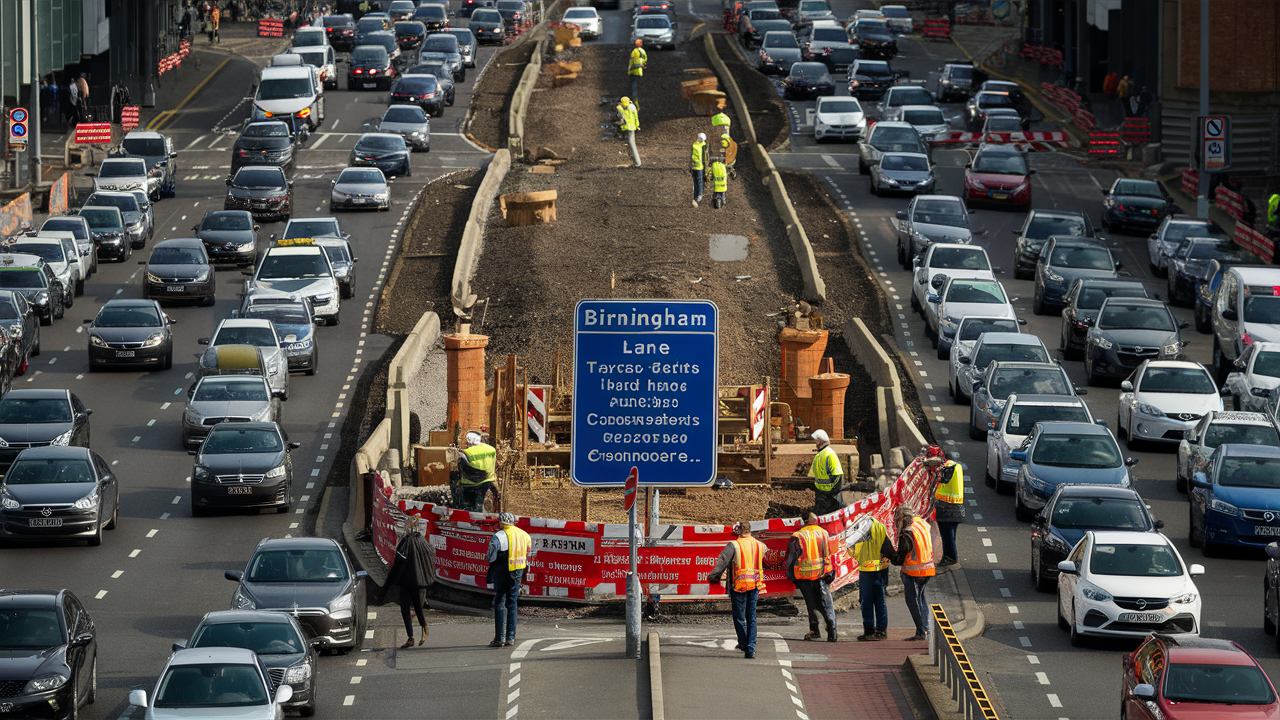
The M6 Walsall Birmingham lanes closure is one of the most searched motorway traffic topics in the West Midlands, affecting thousands of motorists every day. As one of the busiest sections of the UK’s motorway network, the M6 plays a crucial role in connecting Birmingham, Walsall, Wolverhampton, Manchester, and other major destinations. When lanes are closed because of roadworks, maintenance projects, emergency repairs, or traffic incidents, delays can quickly build up and affect commuters, freight operators, business travelers, and holiday traffic alike.
Understanding why lane closures occur, how they impact journeys, and what drivers can do to reduce delays is essential for anyone using this route. In this comprehensive guide, we examine the common reasons behind M6 lane closures around Walsall and Birmingham, their effect on traffic flow, recommended diversion routes, travel planning tips, and the importance of motorway maintenance for long-term road safety.
Why the M6 Between Walsall and Birmingham Is So Important
The M6 is one of Britain’s busiest motorways, carrying a high volume of vehicles every day. It serves as a vital transport corridor for commuters travelling into Birmingham, commercial vehicles transporting goods across the country, and long-distance drivers connecting England, Scotland, and Wales.
The stretch between Walsall and Birmingham is particularly busy because it links several major motorways, including the M5, M42, M54, and M6 Toll. During weekday rush hours, even a single lane closure can significantly reduce traffic flow, leading to congestion that extends for several miles.
Because of the motorway’s strategic importance, any maintenance work or emergency repairs must be carefully managed to balance safety with keeping traffic moving.
Common Reasons for M6 Lane Closures
Lane closures are introduced for several important reasons. One of the most common is planned maintenance, where road surfaces are repaired to prevent potholes and improve driving conditions. Engineers may also replace safety barriers, improve drainage systems, repaint lane markings, or install updated motorway signage.
Emergency repairs are another frequent cause. Heavy traffic and changing weather conditions can damage road surfaces, requiring immediate attention to ensure driver safety.
Traffic accidents also contribute to temporary lane closures. Following a collision, emergency services require sufficient space to assist injured road users, investigate the incident, and safely remove damaged vehicles before reopening the motorway.
In addition, smart motorway technology upgrades, bridge inspections, resurfacing projects, utility works, and vegetation management may require temporary lane restrictions.
How Lane Closures Affect Traffic Around Walsall and Birmingham
When one or more lanes are unavailable, motorway capacity decreases immediately. Vehicles must merge into fewer lanes, slowing traffic and increasing the likelihood of congestion.
Morning and evening commuting periods are usually affected the most. Drivers travelling between Walsall, Birmingham, Wolverhampton, Cannock, and surrounding areas often experience longer journey times whenever motorway works are underway.
Freight transport can also be affected. Delivery schedules may require adjustment, and logistics companies often plan alternative routes to avoid expected congestion. Public transport services using nearby roads may also encounter delays if diverted traffic increases congestion on local routes.
Weekend lane closures can impact leisure travel, sporting events, concerts, and airport journeys, particularly during holiday periods.
The Importance of Planned Motorway Maintenance
Although lane closures can be inconvenient, they play an essential role in maintaining one of the UK’s busiest transport corridors. Regular maintenance helps preserve road quality, improve drainage, replace worn safety barriers, and reduce the risk of accidents caused by damaged surfaces.
Preventive maintenance is generally more efficient than waiting until serious problems develop. Scheduled works help extend the lifespan of motorway infrastructure while reducing the need for major reconstruction projects in the future.
Modern motorway maintenance also includes upgrading lighting, installing intelligent traffic management systems, improving electronic information signs, and enhancing environmental features such as noise barriers.
Alternative Routes During M6 Lane Closures
Motorists affected by lane closures often seek alternative routes depending on their destination.
The M6 Toll may provide a faster option for drivers travelling north or south who wish to avoid congestion, although toll charges apply. Local roads can sometimes offer alternative connections between Walsall and Birmingham, but these routes may become congested if many drivers attempt to avoid motorway delays.
For journeys toward Wolverhampton or Staffordshire, connecting motorways such as the M54 or selected A-roads may provide suitable alternatives. However, drivers should always assess traffic conditions before changing their planned route.
Using satellite navigation with live traffic updates can help identify the quickest available route at the time of travel.
Tips for Driving Safely Through Lane Closures
Motorists approaching lane closures should reduce speed well in advance and pay close attention to overhead signs and temporary traffic management instructions. Safe merging practices are important to maintain traffic flow and minimise the risk of collisions.
Drivers should avoid sudden lane changes, leave adequate following distances, and remain patient during periods of congestion. Respecting temporary speed limits not only protects road workers but also helps reduce the likelihood of additional incidents that could further delay traffic.
Planning extra travel time before setting out can reduce stress and allow for unexpected delays.
Technology Helping Manage Motorway Traffic
Modern motorway management relies heavily on intelligent transport systems. Electronic message boards provide advance warning of lane closures, reduced speed limits, accidents, and estimated journey times.
Traffic monitoring cameras, sensors embedded in the road surface, and control centres continuously assess traffic conditions and can adjust speed limits dynamically to improve traffic flow.
These systems help reduce congestion, improve safety, and provide drivers with more accurate travel information before they reach affected areas.
How Drivers Can Prepare Before Travelling
Preparation is one of the most effective ways to minimise disruption. Before beginning a journey, motorists should check traffic reports, motorway updates, and weather forecasts.
Allowing additional travel time can prevent unnecessary stress if delays occur. Keeping a vehicle well maintained, ensuring adequate fuel levels, and carrying essentials such as water and a charged mobile phone are also sensible precautions, particularly for longer journeys.
Businesses operating commercial fleets often schedule departures outside peak traffic periods whenever possible to minimise disruption caused by motorway works.
The Long-Term Benefits of Infrastructure Improvements
While temporary lane closures may inconvenience motorists, they contribute to significant long-term improvements. Better road surfaces, upgraded safety barriers, improved drainage, and enhanced motorway technology all help create a safer and more reliable transport network.
Infrastructure investment also supports economic growth by improving journey reliability for commuters and businesses. Efficient motorway networks encourage regional development, reduce transport costs, and improve connectivity between major cities across the United Kingdom.
Conclusion
The M6 Walsall Birmingham lanes closure remains an important topic for drivers who rely on one of the UK’s busiest motorway corridors. Whether closures are caused by planned maintenance, emergency repairs, road traffic collisions, or infrastructure upgrades, understanding the reasons behind them helps motorists plan more effectively and travel more safely.
Although temporary delays can be frustrating, these projects are essential for maintaining road quality, improving safety, and ensuring the long-term reliability of the motorway network. By checking traffic updates before travelling, allowing extra journey time, following temporary traffic management instructions, and considering suitable alternative routes where appropriate, drivers can minimise disruption and complete their journeys with greater confidence.
Frequently Asked Questions (FAQ)
Why are lanes closed on the M6 near Walsall and Birmingham?
Lane closures may occur because of planned roadworks, resurfacing, bridge maintenance, emergency repairs, accidents, or infrastructure upgrades.
How do lane closures affect travel times?
Reducing the number of available lanes decreases motorway capacity, often leading to congestion and longer journey times, especially during peak travel periods.
Can I avoid M6 lane closures?
Depending on your destination, alternative routes such as the M6 Toll or selected local roads may help avoid congestion, although traffic conditions should always be checked before travelling.
Are motorway lane closures announced in advance?
Many planned closures are announced ahead of time, while emergency closures resulting from accidents or urgent repairs may occur without notice.
How can I stay informed about M6 traffic conditions?
Drivers should monitor official traffic information services, navigation apps with live traffic data, and motorway electronic message signs before and during their journey.
