
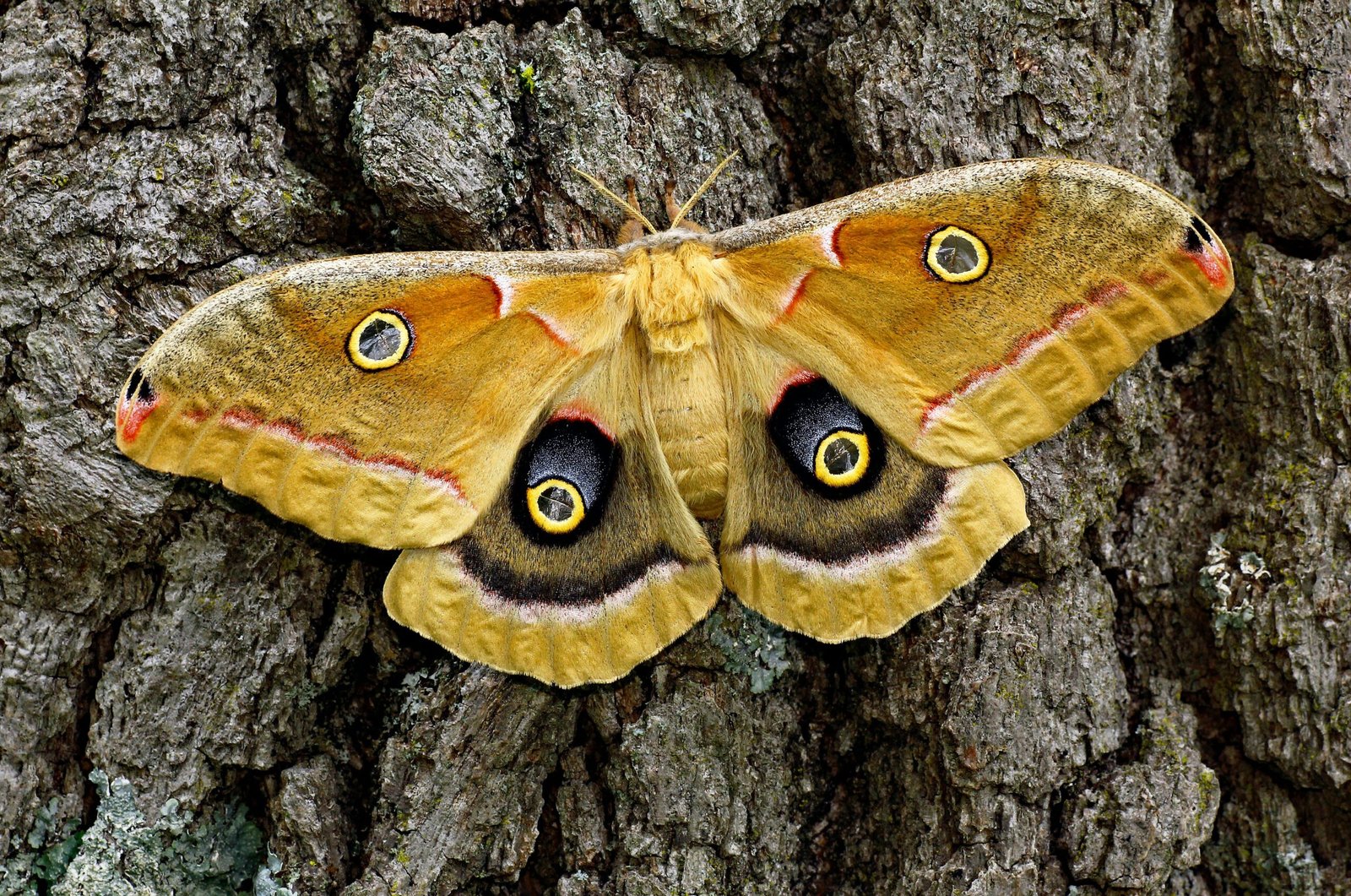
The silk moth is one of nature’s most remarkable creatures, renowned for its role in producing silk, one of the most luxurious and versatile natural fibers in the world. From the tiny egg to the final adult moth, silk moths undergo a complex life cycle that has fascinated scientists, farmers, and textile enthusiasts for centuries. Not only are these insects vital for the silk industry, but they also play important roles in ecosystems and biodiversity.
Understanding silk moths requires a deep dive into their biology, behavior, habitat, and the intricate process by which they produce silk. These creatures are not just economically significant but also scientifically and culturally important. The silk moth, particularly the domesticated Bombyx mori, has been central to human industry for thousands of years, shaping traditions, economies, and even international trade.
In this article, we provide a comprehensive guide to silk moths, covering their life cycle, species variations, habitat, silk production, and the cultural significance of these fascinating insects. Whether you are a student, a sericulture enthusiast, or simply curious about nature’s wonders, this guide explores every detail in depth.
What Is a Silk Moth?
Silk moth are large, domesticated or wild moth species primarily known for producing silk. The most famous silk moth, Bombyx mori, has been domesticated for thousands of years and is integral to sericulture—the cultivation of silkworms for silk production. These insects belong to the family Bombycidae, characterized by their stout bodies, small head, and large wings in adult moths.
While Bombyx mori is the most widely known species, there are also wild silk moths, such as Antheraea mylitta, Antheraea pernyi, and Attacus atlas, which produce silk used in luxury textiles and traditional crafts. Each species varies in size, color, and silk quality, but all share the unique ability to spin silk from specialized glands.
Silk Moth Life Cycle
The life cycle of a silk moth is divided into four stages: egg, larva (caterpillar), pupa (cocoon), and adult moth. Understanding this cycle is essential, not only for biological study but also for practical sericulture applications.
1. Egg Stage
The female silk moth lays hundreds of tiny eggs, which hatch within 10 to 14 days under optimal conditions. Temperature, humidity, and proper care are crucial for ensuring healthy larvae.
2. Larval Stage (Caterpillar)
After hatching, the larvae, commonly known as silkworms, begin feeding voraciously on mulberry leaves (for Bombyx mori). During this stage, the caterpillars grow rapidly, molting several times as they shed their skin. This is the stage where the bulk of silk production begins, as the caterpillar prepares for cocoon formation.
3. Pupal Stage (Cocoon)
The silk moth larva spins a cocoon from silk threads. This cocoon protects the pupa as it develops into an adult moth. The quality of silk depends on the cocoon structure, density of silk fibers, and careful handling during harvesting.
4. Adult Stage
Finally, the silk moth emerges as an adult. In domesticated species like Bombyx mori, adults are often incapable of flying and focus solely on reproduction. Their short lifespan emphasizes the critical nature of the larval and pupal stages for silk harvesting.
Habitat of Silk Moths
Silk moths thrive in areas where mulberry trees or host plants are abundant, as their larvae feed exclusively on specific leaves. Domesticated silk moths are raised in controlled environments to optimize growth and silk production, while wild silk moths inhabit forests and natural habitats, contributing to biodiversity.
Maintaining proper temperature, humidity, and nutrition is vital for silk moth survival, particularly for sericulture operations. Poor environmental conditions can result in weak larvae, thin silk fibers, or unsuccessful cocoon development.
Silk Production and Its Importance
Silk is a natural protein fiber produced by silk moth larvae during cocoon formation. The larvae secrete silk from specialized glands, spinning long, continuous threads that can be harvested and processed into fine silk fabrics.
The process involves careful harvesting of cocoons, unwinding the silk threads, and spinning them into threads suitable for weaving. Silk production has been a major industry for centuries, with countries like China, India, and Japan historically leading the global trade.
Applications of Silk
-
Textiles: Clothing, scarves, luxury fabrics, upholstery.
-
Medical Uses: Surgical sutures and biomedical materials.
-
Crafts: Embroidery, traditional art, and decorative items.
The silk moth, therefore, plays a dual role as both a biological marvel and an economic resource, influencing industries and cultures worldwide.
Interesting Facts About Silk Moths
-
Domesticated vs. Wild: Domesticated Bombyx mori cannot survive in the wild, whereas wild silk moths are adapted to forests.
-
Silk Fiber Strength: Silk fibers are incredibly strong and elastic, often used in luxury fabrics and technical applications.
-
Cultural Significance: Silk moths and their products have been celebrated in art, mythology, and historical trade for thousands of years.
-
Lifecycle Efficiency: The larval stage is the most critical for silk production, emphasizing careful environmental control in sericulture.
Conclusion
Silk moth are extraordinary insects that blend biology, economics, and culture in unique ways. From their intricate life cycle to the delicate silk they produce, these creatures exemplify the remarkable connections between nature and human industry. Understanding silk moths—from the larval stage to adult moths—provides insight into sericulture, ecological balance, and sustainable resource management.
Whether you are a student, a researcher, or someone fascinated by natural fibers, silk moths remain an inspiring example of how nature’s ingenuity has shaped both culture and commerce for centuries.
Frequently Asked Questions (FAQ)
What is a silk moth?
A silk moth is a moth species, domesticated or wild, known for producing silk. The most famous species is Bombyx mori.
How do silk moths produce silk?
Silk moth larvae secrete silk from specialized glands, spinning long threads to form protective cocoons.
Where do silk moths live?
Domesticated silk moths are raised in controlled environments, while wild species inhabit forests and areas with host plants like mulberry trees.
What are the stages of a silk moth’s life cycle?
Egg → Larva (silkworm) → Pupa (cocoon) → Adult moth.
Why are silk moths important?
They are vital for silk production, contribute to ecosystems, and have historical and cultural significance in human society.
