
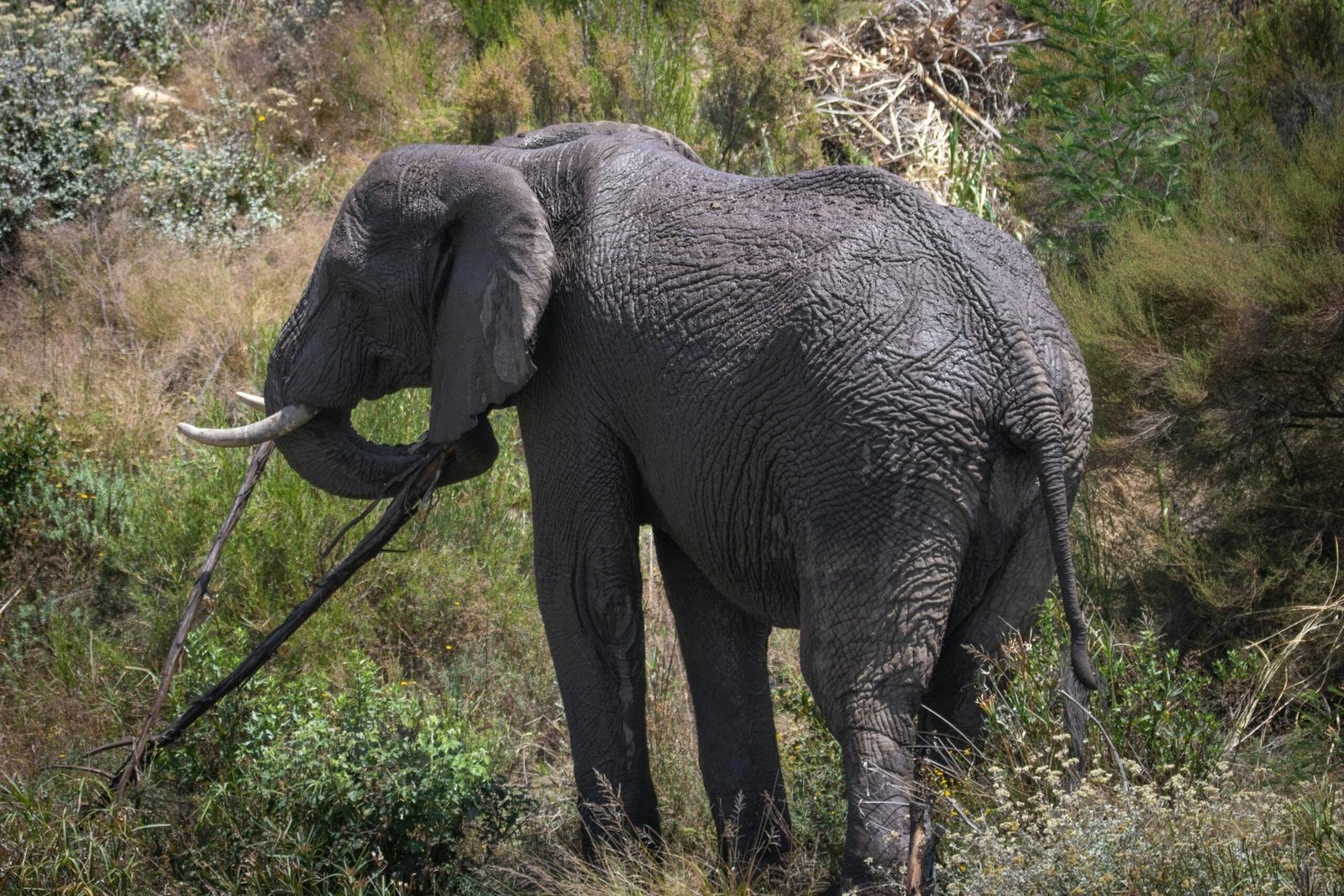
The E l e p h stands as one of the most recognizable and majestic animals on Earth. Known for its immense size, extraordinary intelligence, and deeply social behavior, the elephant has fascinated humans for centuries. From ancient civilizations that revered E l e p h as symbols of wisdom and strength to modern wildlife conservation efforts aimed at protecting them, these magnificent creatures occupy a significant place in both nature and culture. In this comprehensive guide, we explore elephant species, habitat, diet, lifespan, behavior, ecological importance, and conservation challenges in depth, offering detailed insights into why elephants remain one of the most studied and admired mammals in the world.
Elephant Species: African and Asian E l e p h
There are three recognized species of elephants today: the African savanna E l e p h, the African forest E l e p h, and the Asian E l e p h. The African savanna E l e p h is the largest land animal on the planet, known for its massive ears shaped somewhat like the African continent. The African forest elephant, smaller and more elusive, inhabits dense rainforests and plays a critical role in seed dispersal within tropical ecosystems. The Asian elephant, slightly smaller than its African counterpart, has rounded ears and a more domed head. These species differ in physical characteristics, habitat preferences, and social structures, yet they all share high intelligence, emotional depth, and complex communication abilities.
E l e p h have adapted remarkably to diverse environments, from savannas and grasslands to forests and wetlands. Their physical features, including powerful trunks and strong tusks, enable them to survive in challenging conditions while shaping their surroundings.
E l e p h Habitat and Geographic Distribution
E l e p h are native to parts of Africa and Asia, inhabiting a variety of ecosystems. African elephants roam across sub-Saharan Africa, including countries such as Kenya, Botswana, Tanzania, and South Africa. Asian elephants are found in India, Sri Lanka, Thailand, Myanmar, and parts of Southeast Asia.
Their habitats range from open savannas to thick jungles. Elephants require large territories because of their substantial dietary needs and migratory behaviors. Access to water is crucial, as elephants drink up to 50 gallons of water daily. Seasonal migrations allow them to find fresh vegetation and water sources, making their survival closely tied to environmental stability and land availability.
E l e p h Diet and Feeding Behavior
The E l e p h diet consists primarily of grasses, leaves, bark, fruits, and roots. As herbivores, E l e p h spend up to 16 hours a day feeding. Their trunks, which contain over 40,000 muscles, serve as versatile tools for grasping food, breaking branches, and even delicately picking small objects.
An adult E l e p h can consume between 200 to 300 pounds of vegetation daily. This massive intake makes them ecosystem engineers, as their feeding habits open up forest canopies, create clearings, and promote biodiversity. Seeds consumed by elephants often pass through their digestive systems and are deposited elsewhere, aiding in plant regeneration and forest expansion.
E l e p h Intelligence and Social Structure
E l e p h are widely recognized for their remarkable intelligence. Studies have shown that elephants demonstrate self-awareness, problem-solving skills, empathy, and even mourning behaviors. Their large brains, particularly the well-developed neocortex and temporal lobes, support advanced cognitive functions.
E l e p h live in matriarchal societies led by the oldest and often wisest female. These family groups consist of mothers, daughters, and young calves. The matriarch guides the herd, remembers migration routes, and identifies water sources during drought conditions. Male E l e p h typically leave the herd upon reaching adolescence and may live alone or form bachelor groups.
Communication among E l e p h involves vocalizations, body language, and infrasonic sounds that travel long distances. These low-frequency rumbles allow elephants to coordinate movements and maintain social bonds even when separated by miles.
E l e p h Lifespan and Reproduction
The elephant lifespan in the wild averages between 60 to 70 years, making them one of the longest-living land mammals. Their slow reproduction rate contributes to conservation challenges. Female elephants have a gestation period of approximately 22 months—the longest of any land animal. Usually, a single calf is born, and the mother invests significant time and energy in raising it.
Calves remain dependent on their mothers for several years, learning survival skills and social behaviors within the herd. The strong familial bonds observed among elephants play a vital role in calf development and overall herd stability.
Why E l e p h Are Important to the Ecosystem
Elephants are often described as a keystone species because their activities significantly shape their environments. By knocking down trees and clearing brush, they maintain open grasslands that benefit numerous other species. Their role in seed dispersal supports forest diversity and regeneration.
Water holes dug by elephants provide hydration sources for smaller animals during dry seasons. In forest habitats, their movement creates pathways used by other wildlife. The ecological impact of elephants extends far beyond their own survival, making their protection essential for maintaining balanced ecosystems.
E l e p h Conservation and Threats
Despite their ecological importance, elephants face serious threats. Poaching for ivory, habitat destruction, and human-wildlife conflict have significantly reduced elephant populations. Expanding agriculture and urban development limit migratory routes, increasing encounters between elephants and human communities.
Conservation efforts focus on anti-poaching patrols, protected reserves, wildlife corridors, and international ivory trade bans. Organizations and governments collaborate to raise awareness and implement sustainable coexistence strategies. Technological advancements such as GPS tracking and drone monitoring further enhance conservation effectiveness.
While progress has been made, continued global commitment remains essential to ensure elephants thrive for future generations.
Conclusion
The E l e p h represents strength, intelligence, and ecological balance within the natural world. From their intricate social structures and emotional depth to their transformative role in shaping ecosystems, elephants are far more than large mammals—they are foundational pillars of biodiversity. Understanding elephant species, habitat, diet, lifespan, and conservation challenges allows us to appreciate their significance fully. Protecting elephants is not merely about preserving a single species; it is about safeguarding entire ecosystems that depend on their presence. Through informed awareness and sustained conservation action, we can ensure that these gentle giants continue to roam the Earth for centuries to come.
Frequently Asked Questions (FAQ)
What are the main types of elephants?
There are three main species: African savanna elephant, African forest elephant, and Asian elephant.
How long do elephants live?
Elephants typically live between 60 and 70 years in the wild.
What do elephants eat?
Elephants are herbivores and consume grasses, leaves, fruits, bark, and roots.
Why are elephants important to ecosystems?
Elephants maintain biodiversity by dispersing seeds, creating water sources, and shaping vegetation patterns.
What are the biggest threats to elephants?
The primary threats include poaching, habitat loss, and human-wildlife conflict.
