
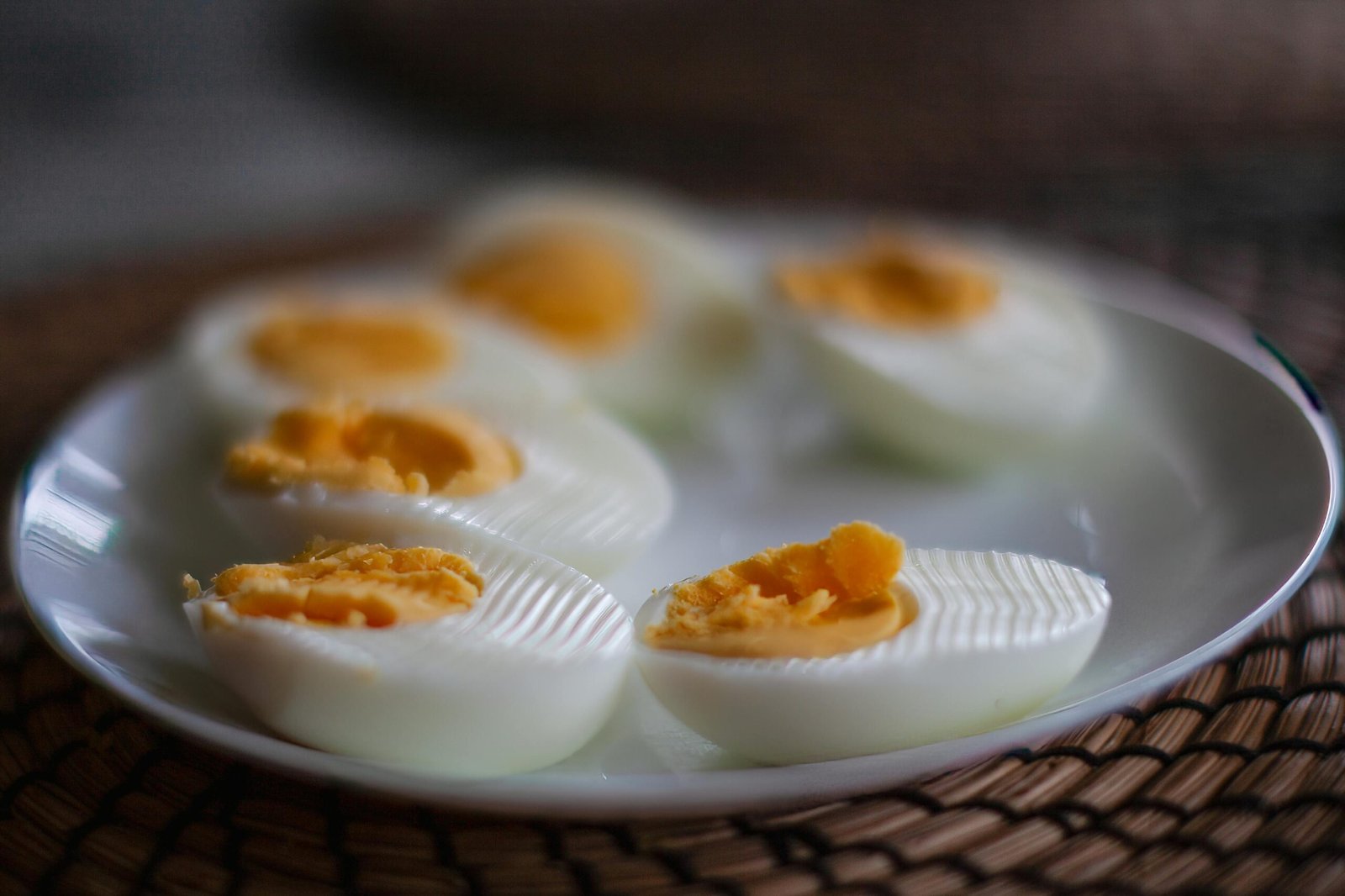
Eggs are among the most versatile and nutritious foods in the world, forming a staple ingredient in countless cuisines and breakfast traditions. From scrambled eggs and omelets to poached and boiled varieties, there are numerous ways to prepare eggs depending on personal taste and culinary preference. One of the most popular fried egg styles is over hard eggs, a cooking method that produces a firm yolk and fully cooked white, making it an excellent option for people who prefer thoroughly cooked eggs.
The term “over hard eggs” refers to eggs that are fried on both sides until the yolk becomes completely firm. Unlike over easy or over medium eggs, where the yolk remains partially runny, over hard eggs are flipped during cooking and allowed to cook long enough to eliminate any liquid yolk. This method creates a satisfying texture that works well in breakfast plates, sandwiches, and many savory dishes.
Understanding how to cook over hard eggs properly can elevate your breakfast routine and help you develop stronger culinary skills in the kitchen. Although the process may seem simple, achieving the perfect balance of crisp edges, tender whites, and a fully cooked yolk requires the right technique, timing, and cooking temperature.
In this comprehensive guide, we explore what over hard eggs are, how they differ from other egg styles, the step-by-step method for cooking them, and useful tips for creating a perfect breakfast dish. Whether you are a beginner cook or a seasoned food enthusiast, mastering over hard eggs is a valuable skill that can enhance your cooking repertoire.
What Are Over Hard Eggs?
Over hard eggs are a type of fried egg in which both the egg white and yolk are completely cooked. The egg is first fried on one side and then flipped to cook the other side, ensuring that the yolk becomes solid rather than runny.
This style of egg is especially popular among people who prefer a fully cooked yolk for taste, texture, or dietary preferences. Over hard eggs are often served as part of traditional breakfast meals alongside toast, bacon, sausage, or hash browns.
Because the yolk is fully cooked, over hard eggs also work well in breakfast sandwiches, where a runny yolk might otherwise make the bread soggy.
Over Hard vs Other Fried Egg Styles
Understanding the differences between various fried egg styles can help you choose the best option for your meal.
Over Easy Eggs
Over easy eggs are fried on both sides but cooked only briefly after flipping. The whites are fully cooked, while the yolk remains runny and soft.
Over Medium Eggs
Over medium eggs fall between over easy and over hard. The yolk becomes partially set but still retains some creaminess.
Over Hard Eggs
Over hard eggs are cooked longer than the other styles, resulting in a fully firm yolk and a thoroughly cooked egg.
Each style offers a different texture and flavor experience, making eggs one of the most customizable ingredients in cooking.
How to Cook Over Hard Eggs
Cooking over hard eggs is simple, but following the correct steps ensures the best results.
Step 1: Heat the Pan
Start by placing a non-stick skillet on medium heat. Add a small amount of butter or cooking oil to prevent sticking and enhance flavor.
Step 2: Crack the Eggs
Carefully crack the eggs into the pan. Allow the egg whites to spread naturally while the yolk remains centered.
Step 3: Cook the First Side
Let the eggs cook for about two to three minutes until the whites become mostly set.
Step 4: Flip the Eggs
Using a spatula, gently flip the eggs over so the yolk side faces downward.
Step 5: Cook Until Firm
Continue cooking for another two to three minutes until the yolk becomes completely firm.
Step 6: Serve Immediately
Once the eggs are fully cooked, remove them from the pan and serve while hot.
Tips for Perfect Over Hard Eggs
Use Fresh Eggs
Fresh eggs hold their shape better during frying and produce a more appealing texture.
Control the Heat
Cooking eggs on medium heat prevents burning while ensuring even cooking.
Use a Non-Stick Pan
A non-stick skillet reduces the risk of breaking the yolk when flipping the eggs.
Season Properly
Adding salt and pepper enhances the natural flavor of eggs without overpowering them.
Avoid Overcrowding the Pan
Cooking too many eggs at once can reduce heat distribution and affect cooking consistency.
Serving Ideas for Over Hard Eggs
Over hard eggs are incredibly versatile and can be used in a variety of meals.
Some popular serving ideas include:
-
Classic breakfast plates with toast and bacon
-
Breakfast sandwiches with cheese and vegetables
-
Rice bowls topped with eggs and savory sauces
-
Protein-rich additions to salads and wraps
Because the yolk is fully cooked, over hard eggs maintain their structure and pair well with many different ingredients.
Nutritional Benefits of Eggs
Eggs are highly nutritious and provide several essential nutrients.
They contain:
-
High-quality protein
-
Vitamin B12
-
Vitamin D
-
Healthy fats
-
Essential minerals
These nutrients support muscle development, brain function, and overall health, making eggs a valuable addition to a balanced diet.
Conclusion
Over hard eggs are a simple yet satisfying way to enjoy one of the world’s most versatile ingredients. By frying the egg on both sides until the yolk becomes firm, this cooking style creates a hearty and reliable breakfast option that works well in many dishes. Whether served on toast, in sandwiches, or alongside classic breakfast sides, over hard eggs offer a delicious combination of flavor, texture, and nutrition.
Learning how to cook over hard eggs perfectly is an essential kitchen skill that can elevate everyday meals. With the right cooking techniques, proper heat control, and a little practice, anyone can prepare delicious eggs that complement a variety of recipes.
Frequently Asked Questions (FAQ)
What are over hard eggs?
Over hard eggs are fried eggs cooked on both sides until the yolk becomes completely firm.
How are over hard eggs different from over easy eggs?
Over easy eggs have a runny yolk, while over hard eggs have a fully cooked, firm yolk.
How long should over hard eggs cook?
Typically, over hard eggs cook for about 4–6 minutes total, depending on heat and pan type.
Can over hard eggs be used in sandwiches?
Yes, they are ideal for sandwiches because the yolk does not run.
Are over hard eggs healthy?
Eggs are a good source of protein, vitamins, and minerals, making them a nutritious part of many meals.
