Close Menu

    Subscribe to Updates

    Get the latest creative news from FooBar about art, design and business.

    What's Hot

    XCasino élő kaszinó élmény: játssz valós időben és nyerj!

    Spinita Casino: Einblicke in die aufregendsten Live-Tischspiele

    Sofobet Casino’s best promotions: how to take advantage of bonuses and rewards

    Facebook X (Twitter) Instagram
    • Homepage
    • Tech
    • Business
    • Lifestyle
    • Health
    • Sports
    • Contact us
    Facebook X (Twitter) Instagram Pinterest Vimeo
    Cummerbund
    • Homepage
    • Tech
    • Business
    • Lifestyle
    • Health
    • Sports
    • Contact us
    Subscribe
    Cummerbund
    You are at:Home » Ultimate Guide to Vienna Sausage: History, Ingredients, Nutrition, and Delicious Recipes
    Food

    Ultimate Guide to Vienna Sausage: History, Ingredients, Nutrition, and Delicious Recipes

    adminBy adminApril 6, 2026Updated:August 16, 2026No Comments5 Mins Read21 Views
    Facebook Twitter Pinterest Telegram LinkedIn Tumblr Email Reddit
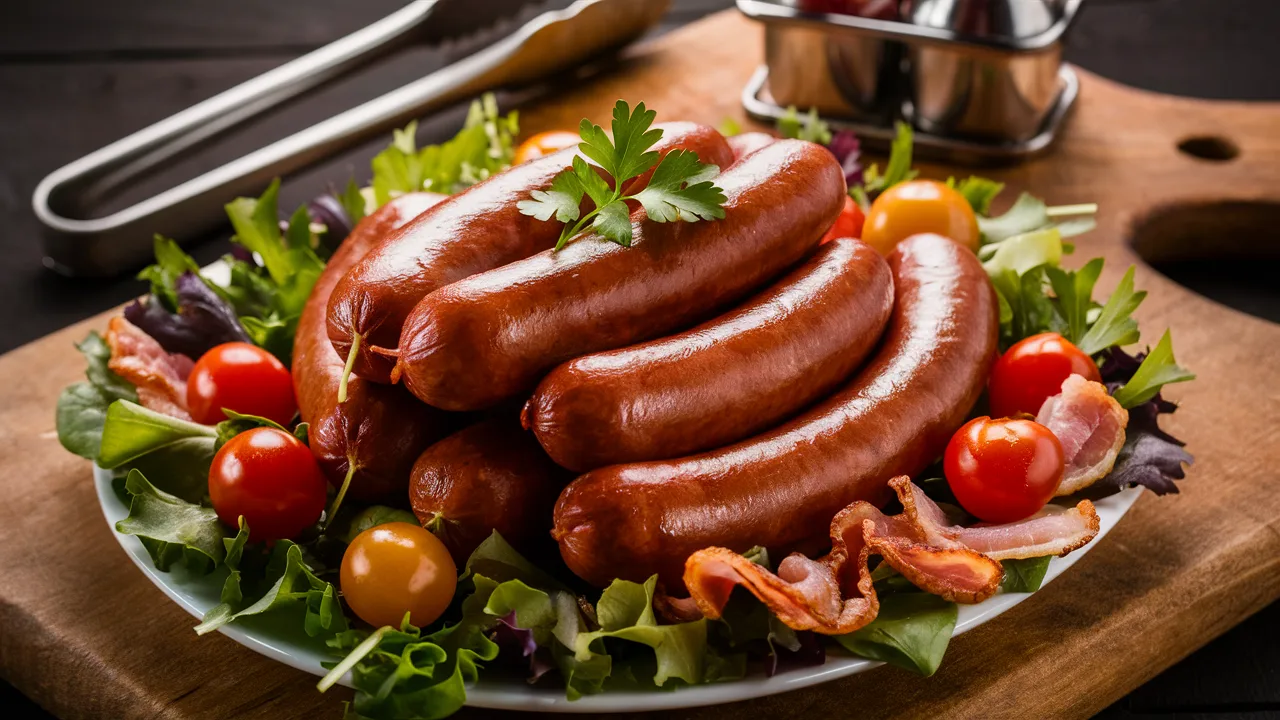
    Vienna Sausage
    Share
    Facebook Twitter LinkedIn Pinterest WhatsApp Email

    Vienna sausage is a globally recognized canned meat product that has earned its place as a convenient, affordable, and versatile food option. Known for its soft texture, mild flavor, and long shelf life, it is a staple in households, survival kits, and quick-meal recipes. We explore every dimension of Vienna sausage—from its origins to its nutritional value and creative culinary uses—ensuring a comprehensive understanding that satisfies both curiosity and practical needs.

    The Origin and History of Vienna Sausage

    The name Vienna sausage originates from Vienna, Austria, where traditional sausages were first crafted using a blend of pork and beef. These early sausages were known for their fine texture and delicate seasoning. As food preservation methods evolved, the concept was adapted into canned form, allowing for mass production and global distribution.

    Over time, Vienna sausage became particularly popular in the United States and other regions due to its long shelf life, ease of storage, and affordability. Today, it is widely consumed in both developed and developing countries as a quick protein source.

    Ingredients and How Vienna Sausage Is Made

    The composition of Vienna sausage varies slightly depending on the brand, but the core ingredients typically include:

    • Mechanically separated chicken or pork
    • Beef
    • Salt and spices
    • Preservatives such as sodium nitrite
    • Water and broth

    The manufacturing process involves grinding the meat into a fine paste, seasoning it, and then cooking it before sealing it in airtight cans. This process ensures that the sausages remain safe to eat for extended periods without refrigeration until opened.

    Nutritional Value of Vienna Sausage

    Vienna sausage is often chosen for its convenience, but its nutritional profile is equally important. A standard serving provides:

    • Protein: Essential for muscle repair and growth
    • Fats: A significant source of energy
    • Sodium: High levels that enhance flavor but require moderation
    • Calories: Moderate, depending on portion size

    While it delivers quick energy and protein, it is advisable to consume Vienna sausage in moderation due to its high sodium and preservative content.

    Taste, Texture, and Popular Uses

    Vienna sausage is known for its soft, smooth texture and mild, slightly salty flavor. Unlike traditional sausages, it lacks a strong spice profile, making it suitable for a wide range of dishes.

    Common uses include:

    • Quick snacks straight from the can
    • Sandwich fillings
    • Breakfast sides with eggs and toast
    • Additions to pasta or rice dishes
    • Emergency or camping meals

    Its versatility allows it to blend seamlessly into both simple and elaborate recipes.

    Best Vienna Sausage Recipes for Everyday Meals

    1. Vienna Sausage Stir-Fry

    We combine sliced Vienna sausages with vegetables such as bell peppers, onions, and carrots. A light soy sauce glaze enhances flavor while maintaining simplicity. This dish is quick, nutritious, and perfect for busy schedules.

    2. Vienna Sausage Breakfast Skillet

    A hearty breakfast option where sausages are sautéed with potatoes, eggs, and herbs. The result is a filling meal packed with protein and energy.

    3. Vienna Sausage Pasta

    We incorporate Vienna sausage into creamy or tomato-based pasta sauces. The sausages absorb the flavors while adding a rich, meaty texture to the dish.

    4. Spicy Vienna Sausage Curry

    By simmering Vienna sausages in a spiced curry sauce, we create a bold and flavorful meal. This recipe works exceptionally well with rice or flatbread.

    Health Considerations and Dietary Insights

    While Vienna sausage offers convenience, it is important to evaluate its health impact:

    • High sodium content may contribute to increased blood pressure if consumed excessively
    • Processed meat classification suggests moderation is key
    • Low fiber content means it should be paired with vegetables or whole grains

    We recommend balancing Vienna sausage consumption with fresh, nutrient-rich foods to maintain overall dietary health.

    How to Choose the Best Vienna Sausage

    When selecting Vienna sausage, consider the following:

    • Ingredient quality: Opt for brands with fewer artificial additives
    • Sodium levels: Look for low-sodium options where available
    • Packaging integrity: Ensure cans are not dented or damaged
    • Flavor variations: Some brands offer smoked or spicy versions

    These factors ensure both safety and enhanced taste.

    Storage and Shelf Life Tips

    Vienna sausage is valued for its long shelf life. Proper storage includes:

    • Keeping unopened cans in a cool, dry place
    • Refrigerating after opening and consuming within 2–3 days
    • Avoiding exposure to extreme temperatures

    These practices preserve freshness and prevent spoilage.

    Why Vienna Sausage Remains Popular Worldwide

    The enduring popularity of Vienna sausage can be attributed to:

    • Affordability
    • Convenience
    • Versatility in cooking
    • Long shelf life

    It continues to serve as a reliable food option in households, travel kits, and emergency supplies.

    Conclusion

    Vienna sausage stands as a practical and adaptable food choice that combines history, convenience, and versatility. Whether used as a quick snack or incorporated into creative recipes, it offers a dependable source of protein and flavor. By understanding its nutritional profile and best usage practices, we can enjoy Vienna sausage as part of a balanced and satisfying diet.

    Frequently Asked Questions (FAQ)

    1. What is Vienna sausage made of?

    Vienna sausage is typically made from a blend of chicken, pork, or beef, along with spices, salt, and preservatives.

    2. Is Vienna sausage fully cooked?

    Yes, Vienna sausage is fully cooked during processing and can be eaten directly from the can.

    3. Are Vienna sausages healthy?

    They provide protein but should be consumed in moderation due to high sodium and preservatives.

    4. How long does Vienna sausage last?

    Unopened cans can last for several years, while opened sausages should be refrigerated and consumed within a few days.

    5. Can Vienna sausage be used in recipes?

    Yes, it is highly versatile and can be used in stir-fries, pasta, breakfast dishes, and more.

    Share. Facebook Twitter Pinterest LinkedIn Reddit WhatsApp Telegram Email
    Previous ArticleFireKirin: The Complete Guide to Gameplay, Features, Strategies, and User Experience
    Next Article Ultimate Guide to สล็อต pggroup777.sbs: Features, Gameplay, Bonuses, and Winning Strategies
    admin
    • Website

    Related Posts

    Someng: The Complete Guide to Digital Innovation, Online Presence, and Future Opportunities

    June 1, 2026

    Prosciutto: The Ultimate Guide to Italy’s Finest Cured Ham

    April 7, 2026

    Cheap Food Near Me: The Ultimate Guide to Finding Affordable and Delicious Meals

    April 1, 2026
    Leave A Reply Cancel Reply

    Recent Posts

    • XCasino élő kaszinó élmény: játssz valós időben és nyerj!
    • Spinita Casino: Einblicke in die aufregendsten Live-Tischspiele
    • Sofobet Casino’s best promotions: how to take advantage of bonuses and rewards
    • Fast payouts at Starstake Casino: What UK players need to know in 2026
    • SierraCasino: przegląd najlepszych gier i bonusów w 2026 roku

    Recent Comments

    1. A WordPress Commenter on Hello world!
    Demo
    Top Posts

    TaiteHambelton: Biography, Career Highlights, Key Facts, and What Makes Him Notable

    January 28, 2026317 Views

    Anawanaxd Leaks: Online Search Context, Privacy Awareness, and Responsible Digital Information

    January 27, 202696 Views

    Queensland Couple’s COVID-19 Hotel Quarantine Exemption Photo Story

    January 22, 202158 Views

    ToTo808.online -: The Complete Guide to Slots, Bonuses, Smart Play, and Better Winning Potential

    January 28, 202643 Views
    Don't Miss
    public August 30, 2026

    XCasino élő kaszinó élmény: játssz valós időben és nyerj!

    A kaszinójátékok világa mindig is lenyűgözte az embereket, hiszen a szerencse, a stratégia és a…

    Spinita Casino: Einblicke in die aufregendsten Live-Tischspiele

    Sofobet Casino’s best promotions: how to take advantage of bonuses and rewards

    Fast payouts at Starstake Casino: What UK players need to know in 2026

    Stay In Touch
    • Facebook
    • Twitter
    • Pinterest
    • Instagram
    • YouTube
    • Vimeo

    Subscribe to Updates

    Get the latest creative news from SmartMag about art & design.

    Demo

    Archives

    • August 2026
    • July 2026
    • June 2026
    • April 2026
    • March 2026
    • February 2026
    • January 2026
    • January 2021
    • March 2020
    • January 2020

    Categories

    • Animal
    • Art
    • Beauty
    • Blog
    • Business
    • Casino
    • Celebrity
    • Decor
    • Drinks
    • Education
    • Entertainment
    • Fashion
    • Featured
    • Featured Stories
    • Fish
    • Food
    • Game
    • Health
    • Health&Fitness
    • LAW
    • Lifestyle
    • News
    • Pet
    • Plants
    • public
    • Relations
    • Social Media
    • Sports
    • Spotlight
    • Tech
    • Technology
    • Travel
    • Travel & Tourism
    • Trends
    About Us
    About Us

    Your source for the lifestyle news. This demo is crafted specifically to exhibit the use of the theme as a lifestyle site. Visit our main page for more demos.

    We're accepting new partnerships right now.

    Email Us: info@example.com
    Contact: +1-320-0123-451

    Facebook X (Twitter) Pinterest YouTube WhatsApp
    Our Picks

    XCasino élő kaszinó élmény: játssz valós időben és nyerj!

    Spinita Casino: Einblicke in die aufregendsten Live-Tischspiele

    Sofobet Casino’s best promotions: how to take advantage of bonuses and rewards

    Most Popular

    Aishah Sofey OnlyFans Leaks: Privacy, Online Safety, and the Real Impact of Content Breaches

    March 4, 20260 Views

    The silk moth is one of nature’s most remarkable creatures, renowned for its role in producing silk, one of the most luxurious and versatile natural fibers in the world. From the tiny egg to the final adult moth, silk moths undergo a complex life cycle that has fascinated scientists, farmers, and textile enthusiasts for centuries. Not only are these insects vital for the silk industry, but they also play important roles in ecosystems and biodiversity. Understanding silk moths requires a deep dive into their biology, behavior, habitat, and the intricate process by which they produce silk. These creatures are not just economically significant but also scientifically and culturally important. The silk moth, particularly the domesticated Bombyx mori, has been central to human industry for thousands of years, shaping traditions, economies, and even international trade. In this article, we provide a comprehensive guide to silk moths, covering their life cycle, species variations, habitat, silk production, and the cultural significance of these fascinating insects. Whether you are a student, a sericulture enthusiast, or simply curious about nature’s wonders, this guide explores every detail in depth. What Is a Silk Moth? Silk moth are large, domesticated or wild moth species primarily known for producing silk. The most famous silk moth, Bombyx mori, has been domesticated for thousands of years and is integral to sericulture—the cultivation of silkworms for silk production. These insects belong to the family Bombycidae, characterized by their stout bodies, small head, and large wings in adult moths. While Bombyx mori is the most widely known species, there are also wild silk moths, such as Antheraea mylitta, Antheraea pernyi, and Attacus atlas, which produce silk used in luxury textiles and traditional crafts. Each species varies in size, color, and silk quality, but all share the unique ability to spin silk from specialized glands. Silk Moth Life Cycle The life cycle of a silk moth is divided into four stages: egg, larva (caterpillar), pupa (cocoon), and adult moth. Understanding this cycle is essential, not only for biological study but also for practical sericulture applications. 1. Egg Stage The female silk moth lays hundreds of tiny eggs, which hatch within 10 to 14 days under optimal conditions. Temperature, humidity, and proper care are crucial for ensuring healthy larvae. 2. Larval Stage (Caterpillar) After hatching, the larvae, commonly known as silkworms, begin feeding voraciously on mulberry leaves (for Bombyx mori). During this stage, the caterpillars grow rapidly, molting several times as they shed their skin. This is the stage where the bulk of silk production begins, as the caterpillar prepares for cocoon formation. 3. Pupal Stage (Cocoon) The silk moth larva spins a cocoon from silk threads. This cocoon protects the pupa as it develops into an adult moth. The quality of silk depends on the cocoon structure, density of silk fibers, and careful handling during harvesting. 4. Adult Stage Finally, the silk moth emerges as an adult. In domesticated species like Bombyx mori, adults are often incapable of flying and focus solely on reproduction. Their short lifespan emphasizes the critical nature of the larval and pupal stages for silk harvesting. Habitat of Silk Moths Silk moths thrive in areas where mulberry trees or host plants are abundant, as their larvae feed exclusively on specific leaves. Domesticated silk moths are raised in controlled environments to optimize growth and silk production, while wild silk moths inhabit forests and natural habitats, contributing to biodiversity. Maintaining proper temperature, humidity, and nutrition is vital for silk moth survival, particularly for sericulture operations. Poor environmental conditions can result in weak larvae, thin silk fibers, or unsuccessful cocoon development. Silk Production and Its Importance Silk is a natural protein fiber produced by silk moth larvae during cocoon formation. The larvae secrete silk from specialized glands, spinning long, continuous threads that can be harvested and processed into fine silk fabrics. The process involves careful harvesting of cocoons, unwinding the silk threads, and spinning them into threads suitable for weaving. Silk production has been a major industry for centuries, with countries like China, India, and Japan historically leading the global trade. Applications of Silk Textiles: Clothing, scarves, luxury fabrics, upholstery. Medical Uses: Surgical sutures and biomedical materials. Crafts: Embroidery, traditional art, and decorative items. The silk moth, therefore, plays a dual role as both a biological marvel and an economic resource, influencing industries and cultures worldwide. Interesting Facts About Silk Moths Domesticated vs. Wild: Domesticated Bombyx mori cannot survive in the wild, whereas wild silk moths are adapted to forests. Silk Fiber Strength: Silk fibers are incredibly strong and elastic, often used in luxury fabrics and technical applications. Cultural Significance: Silk moths and their products have been celebrated in art, mythology, and historical trade for thousands of years. Lifecycle Efficiency: The larval stage is the most critical for silk production, emphasizing careful environmental control in sericulture. Conclusion Silk moth are extraordinary insects that blend biology, economics, and culture in unique ways. From their intricate life cycle to the delicate silk they produce, these creatures exemplify the remarkable connections between nature and human industry. Understanding silk moths—from the larval stage to adult moths—provides insight into sericulture, ecological balance, and sustainable resource management. Whether you are a student, a researcher, or someone fascinated by natural fibers, silk moths remain an inspiring example of how nature’s ingenuity has shaped both culture and commerce for centuries. Frequently Asked Questions (FAQ) What is a silk moth? A silk moth is a moth species, domesticated or wild, known for producing silk. The most famous species is Bombyx mori. How do silk moths produce silk? Silk moth larvae secrete silk from specialized glands, spinning long threads to form protective cocoons. Where do silk moths live? Domesticated silk moths are raised in controlled environments, while wild species inhabit forests and areas with host plants like mulberry trees. What are the stages of a silk moth’s life cycle? Egg → Larva (silkworm) → Pupa (cocoon) → Adult moth. Why are silk moths important? They are vital for silk production, contribute to ecosystems, and have historical and cultural significance in human society.

    August 14, 20260 Views

    cw-check-https://test123.com/

    August 26, 20260 Views
    © 2026 Designed by cummerbund.co.uk

    Type above and press Enter to search. Press Esc to cancel.