
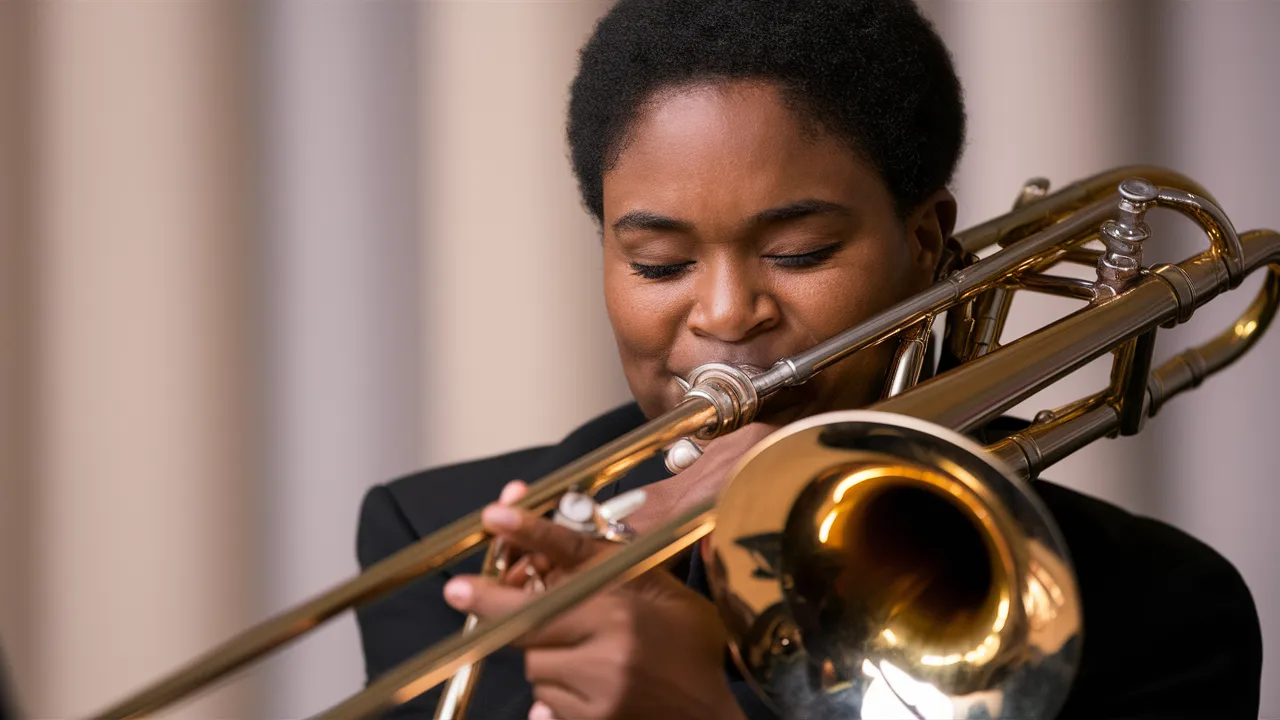
The posaune, widely known in English as the trombone, is one of the most distinctive and expressive instruments in the world of music. Recognized for its powerful sound, smooth glissando, and commanding presence, the posaune has played a vital role in orchestras, jazz ensembles, and marching bands for centuries. We explore the origins, structure, playing techniques, and musical significance of the posaune, offering a deeply detailed and comprehensive guide. Whether you are a beginner, a student, or an experienced musician, understanding the posaune unlocks a new level of appreciation for its versatility and artistic impact.
What is a Posaune? Understanding the Instrument
The term “posaune” originates from German and refers to the brass instrument known as the trombone. It belongs to the brass family, which includes instruments like the trumpet and tuba. What sets the posaune apart is its slide mechanism, which allows players to change pitch smoothly rather than relying on valves.
This unique feature gives the posaune its signature gliding sound, making it capable of producing both powerful and subtle tones. Its design consists of a mouthpiece, slide, bell, and tubing, all working together to create a rich and resonant sound.
The History of the Posaune
The history of the posaune dates back to the Renaissance period, where it evolved from an earlier instrument known as the sackbut. During this time, it was used primarily in church music and ceremonial settings, valued for its ability to blend with voices.
As music evolved, the posaune found its place in classical orchestras, becoming a staple in symphonies composed by renowned musicians such as Ludwig van Beethoven and Wolfgang Amadeus Mozart. In the 20th century, it gained popularity in jazz music, where its expressive capabilities were fully explored.
Structure and Components of the Posaune
Understanding the structure of the posaune is essential for mastering its use. The instrument is composed of several key parts:
1. Mouthpiece
The mouthpiece is where the player produces sound by buzzing their lips, creating vibrations that travel through the instrument.
2. Slide
The slide is the defining feature of the posaune, allowing players to adjust pitch continuously. This enables unique effects such as glissando.
3. Bell
The bell amplifies the sound, giving the posaune its strong and projecting tone.
4. Tubing
The tubing connects all components and determines the instrument’s overall pitch and tonal quality.
How to Play the Posaune
Playing the posaune requires a combination of breath control, embouchure, and slide technique. Beginners often start by learning how to produce a clear tone through proper lip positioning and airflow.
Breath Control
Strong and consistent airflow is essential for producing a full and stable sound.
Embouchure
The embouchure refers to the way a player shapes their lips on the mouthpiece, directly affecting tone quality.
Slide Positions
Each slide position corresponds to a different pitch. Mastery of these positions allows players to perform accurately and expressively.
Musical Styles Featuring the Posaune
The posaune is incredibly versatile and appears in a wide range of musical genres:
Classical Music
In orchestras, the posaune provides depth and power, often used for dramatic and grand passages.
Jazz
Jazz musicians use the posaune for its expressive and improvisational capabilities, creating dynamic and engaging performances.
Marching Bands
Its strong projection makes it ideal for outdoor performances, where clarity and volume are essential.
Contemporary Music
The posaune continues to evolve, appearing in modern genres and experimental compositions.
Benefits of Learning the Posaune
Improved Musical Skills
Learning the posaune enhances rhythm, pitch recognition, and coordination.
Creative Expression
The instrument allows for unique musical expression, especially through techniques like glissando.
Versatility
Players can explore multiple genres, from classical to jazz and beyond.
Performance Opportunities
Posaune players are in demand for bands, orchestras, and ensembles, providing numerous opportunities to perform.
Why the Posaune Stands Out Among Instruments
The posaune stands out due to its distinctive slide mechanism and expressive range. Unlike other brass instruments, it offers a level of pitch flexibility and tonal variation that is unmatched. This makes it a favorite among composers and musicians who seek to add depth and character to their music.
Tips for Beginners Learning the Posaune
- Practice daily to build muscle memory and control
- Focus on proper breathing techniques
- Learn basic slide positions thoroughly
- Listen to experienced players for inspiration
- Maintain the instrument for optimal performance
These steps help beginners develop a strong foundation and progress effectively.
Conclusion
The posaune is more than just a musical instrument; it is a powerful tool of artistic expression with a rich history and a dynamic presence in modern music. From its origins in the Renaissance to its role in contemporary genres, the posaune continues to captivate audiences with its unique sound and versatility. By understanding its structure, techniques, and applications, we gain a deeper appreciation for its importance in the world of music. Whether played in a grand orchestra or a lively jazz band, the posaune remains an essential and inspiring instrument.
Frequently Asked Questions (FAQ)
What does “posaune” mean?
“Posaune” is the German word for trombone, a brass musical instrument.
Is the posaune difficult to learn?
It requires practice, but with dedication, it is accessible for beginners.
What makes the posaune unique?
Its slide mechanism allows for smooth pitch transitions and expressive playing.
Where is the posaune commonly used?
It is used in orchestras, jazz bands, marching bands, and modern music.
How long does it take to learn the posaune?
Progress varies, but consistent practice leads to steady improvement over time.
