
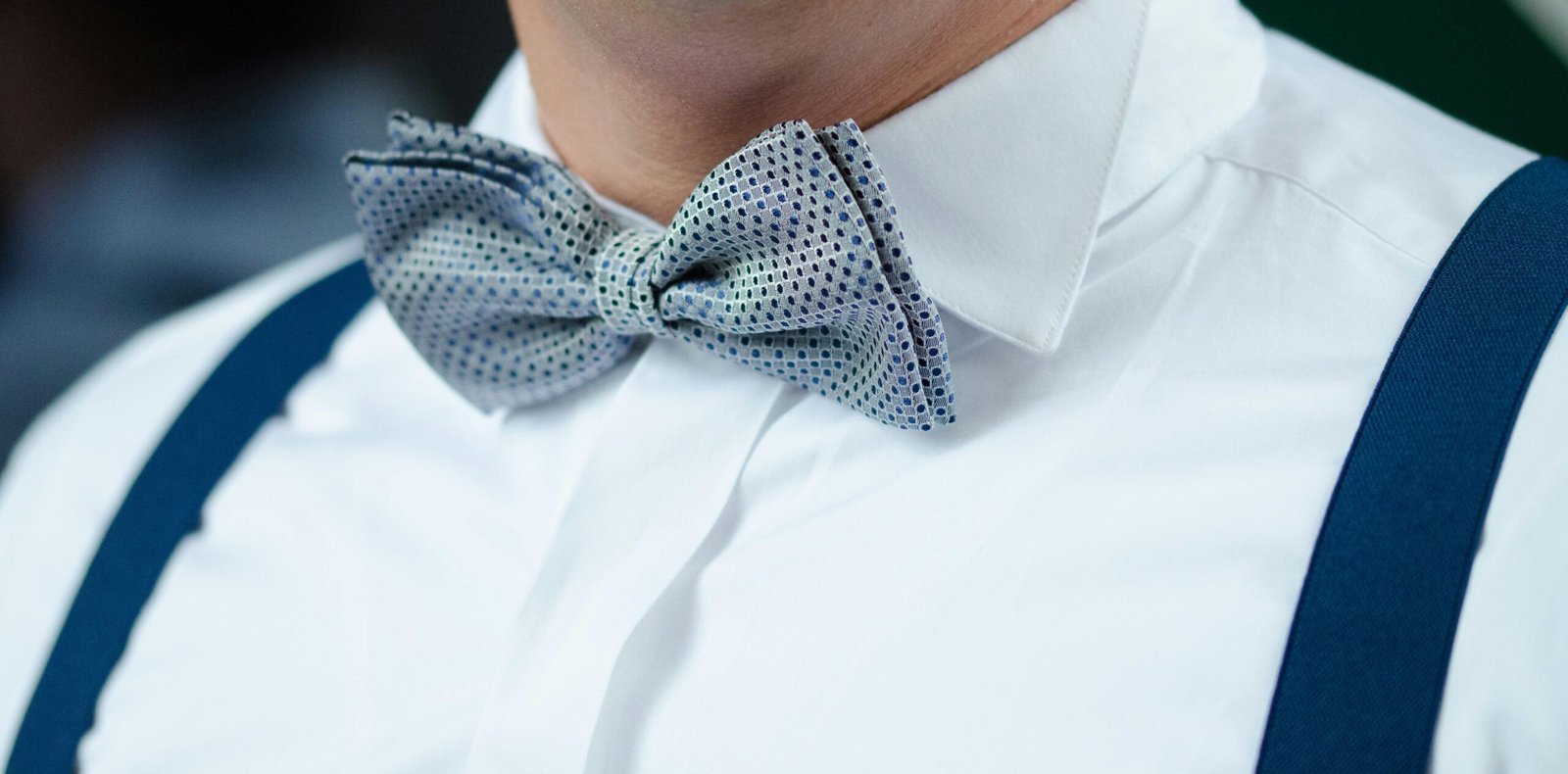
The cummerbund is a timeless accessory that has graced formal attire for centuries. While often overlooked in modern wardrobes, understanding its history, styles, proper wear, and relevance today can elevate any formal outfit. In this comprehensive guide, we delve into the origins of the cummerbund, its role in fashion, and provide a detailed exploration of how to wear it correctly. Whether you’re preparing for a black-tie event or a wedding, this article ensures you are fully informed about this classic accessory.
What is a Cummerbund? Definition and Purpose
A cummerbund is a broad, pleated waist sash that wraps around the midsection, traditionally worn with a tuxedo or formal evening wear. Its primary function is both decorative and functional—it conceals the waistband of the trousers, provides a smooth visual line, and adds a touch of elegance to formal attire. Typically made of silk, satin, or other luxurious fabrics, cummerbunds are designed to match the bow tie or complement the overall color palette of the outfit.
Historically, the pleats on a cummerbund were functional, intended to hold ticket stubs or small personal items during formal events. Today, they remain purely decorative, symbolizing refinement and sophistication. Properly worn, a cummerbund can transform a standard tuxedo into a polished and fashion-forward ensemble.
History of the Cummerbund
The cummerbund has a rich history dating back to the 17th century in India. Originally, it was worn by Indian nobility and military officers, serving as a sash called “kamarband” or “kamarband.” The British colonial officers adopted it during their time in India, recognizing its practicality and aesthetic appeal. By the 19th century, the cummerbund became a staple in Western formal wear, particularly for black-tie events.
The accessory gained prominence in the early 20th century, when fashion designers and socialites incorporated it into evening attire. Its association with elegance and status made it a symbol of refined taste. Even today, the cummerbund remains a hallmark of classic men’s formal fashion, bridging historical significance with modern style sensibilities.
Types and Styles of Cummerbunds
Cummerbunds come in various materials, colors, and pleat styles, each offering a unique look:
-
Material Choices
-
Silk: The most traditional and luxurious choice, providing a smooth sheen.
-
Satin: Slightly more reflective, adding a touch of glamour.
-
Cotton or Polyester Blends: Affordable options for casual black-tie events.
-
-
Pleat Styles
-
Horizontal Pleats: The classic design, typically facing upward.
-
Vertical Pleats: Less common, offering a modern twist on traditional aesthetics.
-
Flat Panels: Contemporary style with a clean, minimalistic appearance.
-
-
Colors and Patterns
-
Black: Standard choice for formal black-tie events.
-
White or Ivory: Paired with white-tie attire for ultra-formal occasions.
-
Bold Colors: Suitable for themed parties, weddings, or personal expression.
-
Patterned Designs: Stripes, paisley, or subtle textures add personality.
-
Choosing the right style depends on the event, the formality level, and the wearer’s personal taste.
How to Wear a Cummerbund Correctly
Wearing a cummerbund correctly is essential to achieving a polished and balanced look. Here are key guidelines:
-
Positioning: The cummerbund should sit just above the hips, covering the waistband of the trousers completely. It should not ride too high or hang low.
-
Pleats Orientation: Traditional etiquette dictates that pleats face upward, originally designed to hold small items. This detail maintains historical accuracy and elegance.
-
Matching the Tie: A cummerbund is typically worn with a bow tie of matching or complementary fabric. This creates visual harmony in formal attire.
-
Proper Fit: Ensure the cummerbund is snug but not restrictive. It should wrap comfortably around the waist, allowing for natural movement without causing wrinkles or gaps.
-
Complementary Accessories: Cummerbunds pair well with suspenders, cufflinks, and pocket squares, adding depth and sophistication to the ensemble.
Cummerbund vs Waistcoat: Which to Choose?
For many formal events, men debate between wearing a cummerbund or a waistcoat (vest). Each has its advantages:
-
Cummerbund: Ideal for summer events or sleek, minimalist looks. Offers lightweight comfort and historical charm.
-
Waistcoat: Provides extra warmth and a structured silhouette, often preferred for winter weddings or formal ceremonies.
Understanding the event context and personal style preferences will help you choose the accessory that best suits your ensemble.
Modern Uses and Fashion Trends
While the cummerbund is rooted in tradition, modern designers have reinvented it for contemporary fashion. Celebrities and style influencers have incorporated cummerbunds into semi-formal outfits, runway collections, and even casual fashion experiments. Key trends include:
-
Bold Colors and Contrasts: Moving away from standard black, adding vibrant hues to reflect personality.
-
Minimalist and Slim Designs: Streamlined versions for modern silhouettes.
-
Fusion Wear: Pairing cummerbunds with suits, blazers, or even high-fashion streetwear for creative looks.
These trends demonstrate that the cummerbund remains relevant and versatile, transcending traditional black-tie events.
Tips for Buying a Cummerbund
When purchasing a cummerbund, consider these important factors:
-
Fabric Quality: Invest in natural silk or satin for longevity and elegance.
-
Adjustability: Ensure the band can be adjusted to fit comfortably.
-
Color Matching: Choose a color that complements your tuxedo and bow tie.
-
Event Appropriateness: Match style and formality level to the occasion.
-
Maintenance: Dry clean only and store flat to prevent wrinkles and fabric damage.
A high-quality cummerbund elevates any formal outfit, ensuring both style and confidence.
Conclusion
The cummerbund is far more than a traditional accessory; it is a symbol of elegance, history, and timeless style. From its origins in Indian nobility to its current status in black-tie fashion, this waist sash has maintained relevance through centuries. Whether attending a wedding, gala, or high-profile formal event, understanding how to select, wear, and style a cummerbund ensures a polished and sophisticated appearance. By embracing the cummerbund’s classic charm and modern interpretations, any individual can confidently elevate their formal attire and make a lasting impression.
FAQ
Q1: What is a cummerbund used for?
A1: A cummerbund is a formal waist sash worn with tuxedos or evening wear to conceal the waistband, add elegance, and create a polished visual line.
Q2: How should the pleats on a cummerbund face?
A2: Traditionally, cummerbund pleats should face upwards, originally intended to hold small items like tickets.
Q3: Can cummerbunds be worn with modern suits?
A3: Yes, contemporary fashion allows cummerbunds to be paired creatively with suits, blazers, or even semi-formal attire.
Q4: What colors are appropriate for a cummerbund?
A4: Black is standard for black-tie events, white or ivory for white-tie, while bold colors and patterns suit themed parties or personal expression.
Q5: Cummerbund or waistcoat—which is better?
A5: A cummerbund is ideal for lightweight elegance and summer events, whereas a waistcoat provides structure and warmth, suited for formal winter occasions.
