
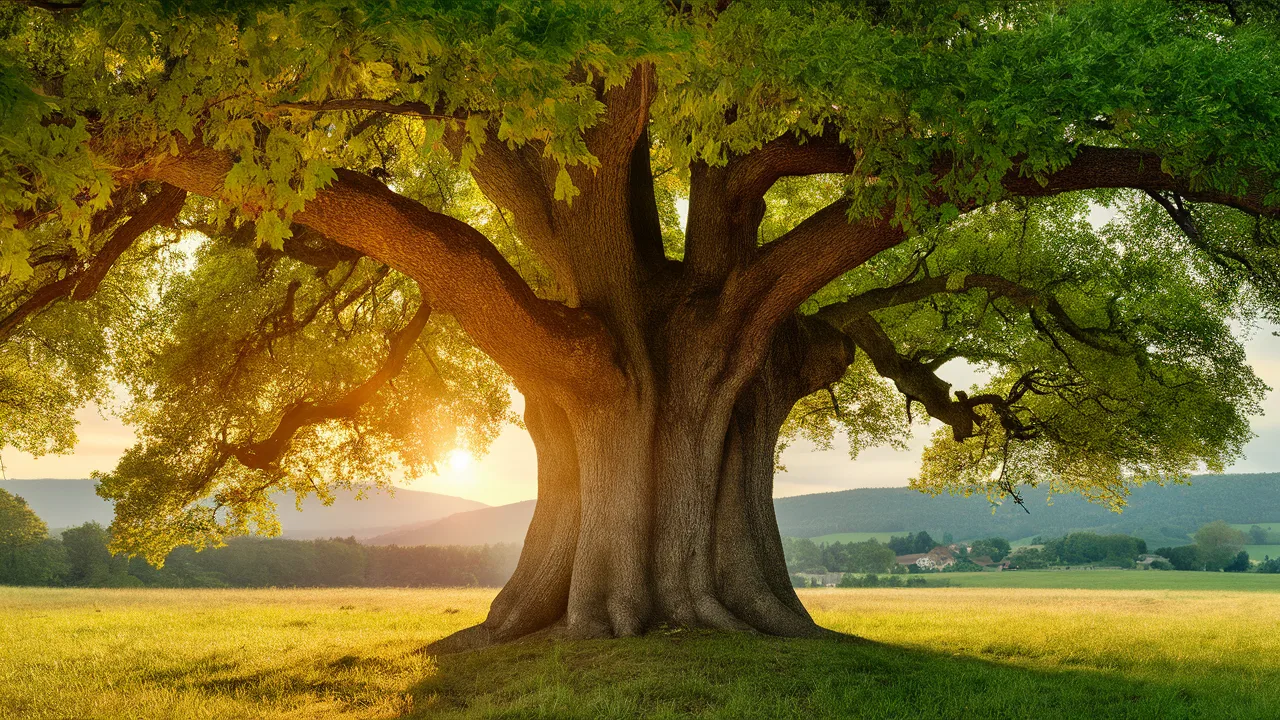
The eisenholzbaum, commonly known as the ironwood tree, stands as one of the most remarkable and durable trees found in nature. Renowned for its exceptionally dense wood, longevity, and resistance to environmental stress, this tree has fascinated botanists, craftsmen, and nature enthusiasts for centuries. We explore how the eisenholzbaum has earned its name due to its incredibly hard wood, which is often heavier than water and extremely resistant to decay.
Across different regions of the world, several species are referred to as ironwood trees, each sharing similar characteristics of strength and durability. Among the most notable is the Parrotia persica, which is admired not only for its toughness but also for its ornamental beauty. By understanding the properties, uses, and ecological importance of the eisenholzbaum, we gain insight into why it is considered one of the most valuable trees globally.
What is an Eisenholzbaum?
The term eisenholzbaum refers to a group of trees known for producing extremely dense and hard wood, commonly called ironwood. These trees are found in various parts of the world, including Asia, Europe, and the Americas. Despite differences in species, they share a defining characteristic: their wood is so dense that it can sink in water and resist wear over long periods.
We understand that the eisenholzbaum is not a single species but a category of trees with similar properties. Among them, the Parrotia persica is particularly well-known for its ornamental value and resilience.
Unique Characteristics of Eisenholzbaum
The eisenholzbaum possesses several remarkable features that distinguish it from other trees:
- Extreme wood density, making it one of the hardest natural materials
- High resistance to decay, insects, and environmental damage
- Slow growth rate, contributing to its strength and durability
- Attractive bark and foliage, especially in ornamental species
These characteristics make the eisenholzbaum highly valued in both natural ecosystems and human applications.
Habitat and Distribution
Ironwood trees thrive in diverse environments, ranging from temperate forests to arid regions. The adaptability of the eisenholzbaum allows it to survive in challenging conditions where other trees may struggle.
We observe that species like the Parrotia persica are commonly found in parts of the Middle East and Europe, while other ironwood species grow in North and South America. This wide distribution highlights the ecological versatility of these trees.
Uses of Eisenholzbaum Wood
1. Construction and Heavy-Duty Applications
Due to its exceptional strength, eisenholzbaum wood is often used in construction projects that require durability. It is ideal for outdoor structures, bridges, and tool handles, where resistance to wear is essential.
2. Furniture and Craftsmanship
We appreciate the eisenholzbaum for its aesthetic appeal and longevity in furniture making. Its rich texture and strength make it suitable for high-quality, long-lasting pieces.
3. Decorative and Ornamental Uses
Some species are cultivated for their beautiful foliage and unique bark patterns, adding visual interest to gardens and landscapes.
Benefits of the Eisenholzbaum
The eisenholzbaum offers numerous benefits that extend beyond its physical properties:
- Long lifespan, reducing the need for frequent replacement
- Low maintenance, especially in landscaping
- Environmental resilience, contributing to ecosystem stability
- Sustainable use potential when managed responsibly
These advantages make the eisenholzbaum a valuable resource for both ecological and practical purposes.
Growing and Caring for an Eisenholzbaum
For those interested in cultivating an eisenholzbaum, proper care is essential to ensure healthy growth. We focus on key factors such as:
- Well-drained soil to prevent root damage
- Moderate watering, as excessive moisture can be harmful
- Adequate sunlight for optimal development
- Minimal pruning, as the tree naturally maintains its structure
Although the eisenholzbaum grows slowly, its durability and beauty make it a worthwhile addition to any garden.
Eisenholzbaum in Modern Design and Architecture
The unique properties of the eisenholzbaum have inspired modern designers and architects to incorporate it into innovative projects. Its strength and natural beauty allow for the creation of sustainable and visually striking structures.
We see increasing interest in using ironwood for eco-friendly construction, as it provides a durable alternative to synthetic materials.
Environmental Importance of Eisenholzbaum
The eisenholzbaum plays a vital role in maintaining ecological balance. Its dense canopy provides shelter for wildlife, while its roots help stabilize soil and prevent erosion.
We recognize that preserving these trees is essential for biodiversity and environmental sustainability. Responsible management ensures that future generations can continue to benefit from their unique properties.
Common Misconceptions About Eisenholzbaum
Despite its popularity, there are several misconceptions about the eisenholzbaum:
- It is often thought to be a single species, when it actually includes multiple types of trees
- Some believe it is indestructible, but proper care is still necessary
- It is sometimes confused with other hardwoods that do not share the same density
Understanding these points helps us appreciate the true nature of the eisenholzbaum.
Conclusion
As we explore the fascinating world of the eisenholzbaum, we uncover a tree that embodies strength, resilience, and versatility. From its incredibly dense wood to its ecological significance, the ironwood tree stands as a testament to nature’s ability to create enduring and valuable resources. Whether used in construction, furniture, or landscaping, the eisenholzbaum continues to play a vital role in both traditional and modern applications. By understanding its characteristics and benefits, we can fully appreciate its importance and ensure its preservation for future generations.
Frequently Asked Questions (FAQ)
What is an eisenholzbaum?
An eisenholzbaum is a type of tree known for producing extremely hard and dense wood, often referred to as ironwood.
Is eisenholzbaum wood really that strong?
Yes, it is one of the strongest and most durable natural woods available.
Where does the eisenholzbaum grow?
It grows in various regions worldwide, including Europe, Asia, and the Americas.
Can I grow an eisenholzbaum in my garden?
Yes, with proper care and suitable conditions, it can be grown as an ornamental tree.
What is eisenholzbaum used for?
It is used in construction, furniture making, and landscaping due to its durability and beauty.
