
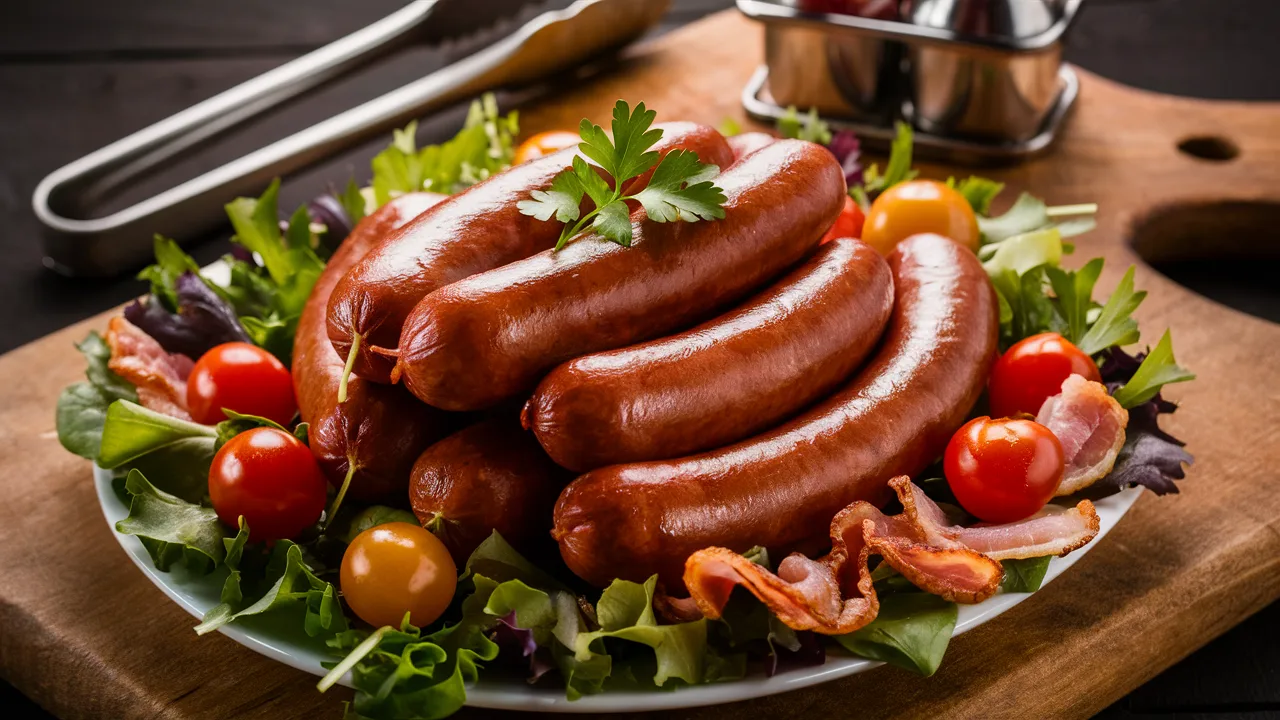
Vienna sausage is a globally recognized canned meat product that has earned its place as a convenient, affordable, and versatile food option. Known for its soft texture, mild flavor, and long shelf life, it is a staple in households, survival kits, and quick-meal recipes. We explore every dimension of Vienna sausage—from its origins to its nutritional value and creative culinary uses—ensuring a comprehensive understanding that satisfies both curiosity and practical needs.
The Origin and History of Vienna Sausage
The name Vienna sausage originates from Vienna, Austria, where traditional sausages were first crafted using a blend of pork and beef. These early sausages were known for their fine texture and delicate seasoning. As food preservation methods evolved, the concept was adapted into canned form, allowing for mass production and global distribution.
Over time, Vienna sausage became particularly popular in the United States and other regions due to its long shelf life, ease of storage, and affordability. Today, it is widely consumed in both developed and developing countries as a quick protein source.
Ingredients and How Vienna Sausage Is Made
The composition of Vienna sausage varies slightly depending on the brand, but the core ingredients typically include:
- Mechanically separated chicken or pork
- Beef
- Salt and spices
- Preservatives such as sodium nitrite
- Water and broth
The manufacturing process involves grinding the meat into a fine paste, seasoning it, and then cooking it before sealing it in airtight cans. This process ensures that the sausages remain safe to eat for extended periods without refrigeration until opened.
Nutritional Value of Vienna Sausage
Vienna sausage is often chosen for its convenience, but its nutritional profile is equally important. A standard serving provides:
- Protein: Essential for muscle repair and growth
- Fats: A significant source of energy
- Sodium: High levels that enhance flavor but require moderation
- Calories: Moderate, depending on portion size
While it delivers quick energy and protein, it is advisable to consume Vienna sausage in moderation due to its high sodium and preservative content.
Taste, Texture, and Popular Uses
Vienna sausage is known for its soft, smooth texture and mild, slightly salty flavor. Unlike traditional sausages, it lacks a strong spice profile, making it suitable for a wide range of dishes.
Common uses include:
- Quick snacks straight from the can
- Sandwich fillings
- Breakfast sides with eggs and toast
- Additions to pasta or rice dishes
- Emergency or camping meals
Its versatility allows it to blend seamlessly into both simple and elaborate recipes.
Best Vienna Sausage Recipes for Everyday Meals
1. Vienna Sausage Stir-Fry
We combine sliced Vienna sausages with vegetables such as bell peppers, onions, and carrots. A light soy sauce glaze enhances flavor while maintaining simplicity. This dish is quick, nutritious, and perfect for busy schedules.
2. Vienna Sausage Breakfast Skillet
A hearty breakfast option where sausages are sautéed with potatoes, eggs, and herbs. The result is a filling meal packed with protein and energy.
3. Vienna Sausage Pasta
We incorporate Vienna sausage into creamy or tomato-based pasta sauces. The sausages absorb the flavors while adding a rich, meaty texture to the dish.
4. Spicy Vienna Sausage Curry
By simmering Vienna sausages in a spiced curry sauce, we create a bold and flavorful meal. This recipe works exceptionally well with rice or flatbread.
Health Considerations and Dietary Insights
While Vienna sausage offers convenience, it is important to evaluate its health impact:
- High sodium content may contribute to increased blood pressure if consumed excessively
- Processed meat classification suggests moderation is key
- Low fiber content means it should be paired with vegetables or whole grains
We recommend balancing Vienna sausage consumption with fresh, nutrient-rich foods to maintain overall dietary health.
How to Choose the Best Vienna Sausage
When selecting Vienna sausage, consider the following:
- Ingredient quality: Opt for brands with fewer artificial additives
- Sodium levels: Look for low-sodium options where available
- Packaging integrity: Ensure cans are not dented or damaged
- Flavor variations: Some brands offer smoked or spicy versions
These factors ensure both safety and enhanced taste.
Storage and Shelf Life Tips
Vienna sausage is valued for its long shelf life. Proper storage includes:
- Keeping unopened cans in a cool, dry place
- Refrigerating after opening and consuming within 2–3 days
- Avoiding exposure to extreme temperatures
These practices preserve freshness and prevent spoilage.
Why Vienna Sausage Remains Popular Worldwide
The enduring popularity of Vienna sausage can be attributed to:
- Affordability
- Convenience
- Versatility in cooking
- Long shelf life
It continues to serve as a reliable food option in households, travel kits, and emergency supplies.
Conclusion
Vienna sausage stands as a practical and adaptable food choice that combines history, convenience, and versatility. Whether used as a quick snack or incorporated into creative recipes, it offers a dependable source of protein and flavor. By understanding its nutritional profile and best usage practices, we can enjoy Vienna sausage as part of a balanced and satisfying diet.
Frequently Asked Questions (FAQ)
1. What is Vienna sausage made of?
Vienna sausage is typically made from a blend of chicken, pork, or beef, along with spices, salt, and preservatives.
2. Is Vienna sausage fully cooked?
Yes, Vienna sausage is fully cooked during processing and can be eaten directly from the can.
3. Are Vienna sausages healthy?
They provide protein but should be consumed in moderation due to high sodium and preservatives.
4. How long does Vienna sausage last?
Unopened cans can last for several years, while opened sausages should be refrigerated and consumed within a few days.
5. Can Vienna sausage be used in recipes?
Yes, it is highly versatile and can be used in stir-fries, pasta, breakfast dishes, and more.
