Close Menu

    Subscribe to Updates

    Get the latest creative news from FooBar about art, design and business.

    What's Hot

    Your complete walkthrough to online pokies at Fair Go Casino Australia: tips for new

    How to get started with sports betting at Parimatch India: a beginner’s guide

    Casinos sin verificación: la nueva era del juego online sin procesos de KYC

    Facebook X (Twitter) Instagram
    • Homepage
    • Tech
    • Business
    • Lifestyle
    • Health
    • Sports
    • Contact us
    Facebook X (Twitter) Instagram Pinterest Vimeo
    Cummerbund
    • Homepage
    • Tech
    • Business
    • Lifestyle
    • Health
    • Sports
    • Contact us
    Subscribe
    Cummerbund
    You are at:Home » Wagon Wheel Lyrics: Meaning, History, and Cultural Impact
    Blog

    Wagon Wheel Lyrics: Meaning, History, and Cultural Impact

    adminBy adminMarch 26, 2026Updated:August 14, 2026No Comments5 Mins Read20 Views
    Facebook Twitter Pinterest Telegram LinkedIn Tumblr Email Reddit
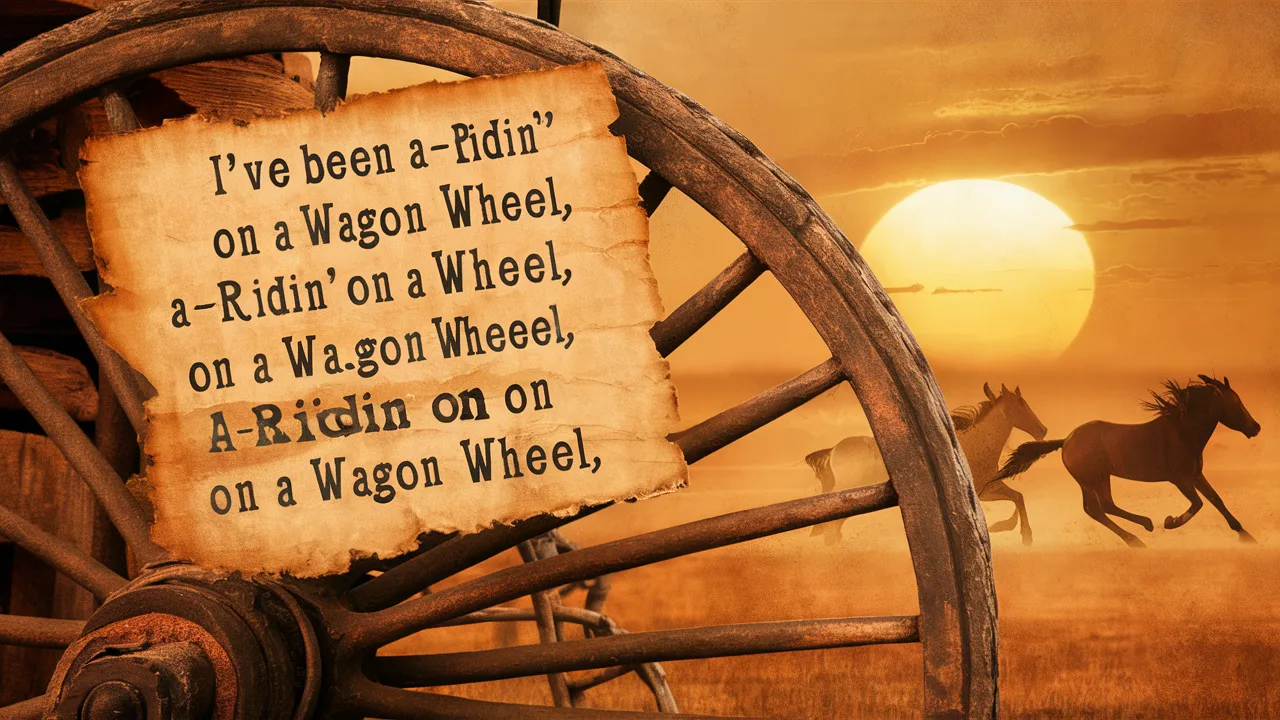
    Wagon Wheel Lyrics
    Share
    Facebook Twitter LinkedIn Pinterest WhatsApp Email

    The timeless appeal of Wagon Wheel has cemented its place as one of the most recognizable modern folk anthems. Blending nostalgia, storytelling, and Americana spirit, the song continues to captivate listeners across generations. We explore the lyrics, deeper meaning, and fascinating origins that transformed this track into a global favorite.

    Originally sketched by Bob Dylan and later completed by Ketch Secor, the song’s journey from a rough idea to a chart-topping hit reflects the power of collaboration and musical evolution.

    The Origins of Wagon Wheel Lyrics

    The story behind the Wagon Wheel Lyrics begins in the early 1970s when Bob Dylan recorded a fragment during the Pat Garrett & Billy the Kid sessions. This fragment included the now-famous refrain, though it lacked complete verses. Decades later, Ketch Secor expanded on Dylan’s idea, crafting verses that turned the piece into a fully realized narrative song.

    The result was a lyrical journey filled with imagery of travel, longing, and southern landscapes, making it deeply relatable. The lyrics tell the story of a traveler hitchhiking south, yearning for home and companionship, which resonates strongly with themes of freedom and belonging.

    Understanding the Meaning Behind Wagon Wheel Lyrics

    At its core, the lyrics of Wagon Wheel symbolize movement, escape, and emotional connection. The repeated imagery of travel—roads, wheels, and destinations—reflects a universal human desire for progress and discovery.

    The chorus expresses a longing for reunion and stability, highlighting a contrast between restlessness and comfort. This duality is what makes the song so compelling: it captures both the thrill of the journey and the warmth of home.

    We observe that the lyrics also subtly reference American geography and culture, reinforcing its identity as a modern folk classic rooted in tradition.

    Key Themes in Wagon Wheel Lyrics

    1. The Journey Motif

    The recurring idea of traveling southward represents personal transformation and the pursuit of something meaningful. The road becomes a metaphor for life itself.

    2. Love and Longing

    The emotional core of the lyrics revolves around a desire to return to a loved one, emphasizing connection and emotional grounding.

    3. Freedom and Independence

    The protagonist’s journey reflects a spirit of freedom, a hallmark of folk and country music traditions.

    4. Nostalgia and Americana

    The references to landscapes and lifestyle evoke a sense of nostalgia, making the song feel timeless and authentic.

    Wagon Wheel Lyrics: Cultural and Musical Impact

    Since its release by Old Crow Medicine Show, Wagon Wheel has become a cultural phenomenon. It has been covered by numerous artists, most notably Darius Rucker, whose version introduced the song to a broader audience and brought it mainstream success.

    The lyrics have contributed significantly to its popularity. Their simplicity combined with emotional depth allows listeners to connect instantly, regardless of background. The song is frequently played at gatherings, concerts, and events, reinforcing its role as a shared musical experience.

    Why Wagon Wheel Lyrics Remain Popular

    The enduring popularity of Wagon Wheel lyrics lies in their universal relatability. The song speaks to anyone who has ever longed for home, sought adventure, or experienced emotional distance.

    Additionally, its easy-to-sing chorus and memorable phrasing make it accessible, ensuring that it continues to thrive in both live performances and casual settings.

    We recognize that the lyrics strike a balance between storytelling and simplicity, which is essential for lasting appeal in folk music.

    Line-by-Line Interpretation of Wagon Wheel Lyrics

    While the full lyrics are widely available through licensed platforms, analyzing their structure reveals a carefully crafted narrative:

    • The opening verses introduce the traveler’s journey, setting the scene with vivid imagery.
    • The chorus reinforces the central emotional desire, acting as the song’s anchor.
    • Subsequent verses expand on experiences along the road, adding depth and realism.

    This structure ensures a cohesive storytelling experience, drawing listeners into the narrative from beginning to end.

    The Role of Wagon Wheel in Modern Folk Music

    Wagon Wheel stands as a bridge between traditional folk roots and contemporary music trends. Its lyrics embody classic storytelling techniques while remaining accessible to modern audiences.

    The song has inspired countless musicians and continues to be a staple in folk and country repertoires. Its success demonstrates how authentic storytelling and emotional honesty can transcend time.

    Conclusion

    The Wagon Wheel Lyrics represent far more than a simple folk song. They capture the essence of journey, longing, and connection, making the track a lasting symbol of modern Americana. From its origins with Bob Dylan to its completion by Ketch Secor and widespread popularity through various artists, the song’s evolution highlights the enduring power of collaborative creativity.

    We see Wagon Wheel not just as a piece of music, but as a cultural narrative that continues to resonate with audiences worldwide. Its lyrics remain a testament to the timeless appeal of story-driven songwriting.

    Frequently Asked Questions (FAQ)

    What are Wagon Wheel lyrics about?

    The lyrics focus on a traveler heading south, expressing themes of love, longing, and the desire to return home.

    Who originally wrote Wagon Wheel?

    Bob Dylan created the original chorus and melody, while Ketch Secor completed the verses.

    Why is Wagon Wheel so popular?

    Its simple yet emotional lyrics, combined with a memorable melody, make it widely appealing and easy to connect with.

    Which artist made Wagon Wheel famous?

    Old Crow Medicine Show popularized the song, while Darius Rucker’s version brought it mainstream recognition.

    Is Wagon Wheel considered a folk song?

    Yes, it is widely regarded as a modern folk classic with strong roots in Americana traditions.

    Share. Facebook Twitter Pinterest LinkedIn Reddit WhatsApp Telegram Email
    Previous ArticleBruce Willis Made a Rare Public Appearance Amid Dementia Battle
    Next Article Jeinz Macias: Biography, Career Growth, and Digital Influence
    admin
    • Website

    Related Posts

    cw-check-https://test123.com/

    August 26, 2026

    Escapamento RD: A Complete Guide to Performance, Design, and Motorcycle Efficiency

    August 14, 2026

    Cummerbund: The Ultimate Guide to Style, History, and Modern Use

    August 14, 2026
    Leave A Reply Cancel Reply

    Recent Posts

    • Your complete walkthrough to online pokies at Fair Go Casino Australia: tips for new
    • How to get started with sports betting at Parimatch India: a beginner’s guide
    • Casinos sin verificación: la nueva era del juego online sin procesos de KYC
    • Non-UK casinos: safe gaming features and international licensing explained
    • A beginner’s roadmap to Online Pokies NZ 2026: Tips for seamless gameplay

    Recent Comments

    1. A WordPress Commenter on Hello world!
    Demo
    Top Posts

    TaiteHambelton: Biography, Career Highlights, Key Facts, and What Makes Him Notable

    January 28, 2026344 Views

    Anawanaxd Leaks: Online Search Context, Privacy Awareness, and Responsible Digital Information

    January 27, 2026136 Views

    Queensland Couple’s COVID-19 Hotel Quarantine Exemption Photo Story

    January 22, 202163 Views

    This Moomin-Themed Hotel Room in Saitama Lets You Have Fun

    January 15, 202148 Views
    Don't Miss
    public September 6, 2026

    Your complete walkthrough to online pokies at Fair Go Casino Australia: tips for new

    Online pokies have gained immense popularity among Australian players, providing engaging gaming experiences from the…

    How to get started with sports betting at Parimatch India: a beginner’s guide

    Casinos sin verificación: la nueva era del juego online sin procesos de KYC

    Non-UK casinos: safe gaming features and international licensing explained

    Stay In Touch
    • Facebook
    • Twitter
    • Pinterest
    • Instagram
    • YouTube
    • Vimeo

    Subscribe to Updates

    Get the latest creative news from SmartMag about art & design.

    Demo

    Archives

    • September 2026
    • August 2026
    • July 2026
    • June 2026
    • April 2026
    • March 2026
    • February 2026
    • January 2026
    • January 2021
    • March 2020
    • January 2020

    Categories

    • Animal
    • Art
    • Beauty
    • Blog
    • Business
    • Celebrity
    • Decor
    • Drinks
    • Education
    • Entertainment
    • Fashion
    • Featured
    • Featured Stories
    • Fish
    • Food
    • Health
    • Health&Fitness
    • LAW
    • Lifestyle
    • News
    • Pet
    • Plants
    • public
    • Relations
    • Social Media
    • Sports
    • Spotlight
    • Tech
    • Technology
    • Travel
    • Travel & Tourism
    • Trends
    About Us
    About Us

    Your source for the lifestyle news. This demo is crafted specifically to exhibit the use of the theme as a lifestyle site. Visit our main page for more demos.

    We're accepting new partnerships right now.

    Email Us: info@example.com
    Contact: +1-320-0123-451

    Facebook X (Twitter) Pinterest YouTube WhatsApp
    Our Picks

    Your complete walkthrough to online pokies at Fair Go Casino Australia: tips for new

    How to get started with sports betting at Parimatch India: a beginner’s guide

    Casinos sin verificación: la nueva era del juego online sin procesos de KYC

    Most Popular

    Aishah Sofey OnlyFans Leaks: Privacy, Online Safety, and the Real Impact of Content Breaches

    March 4, 20260 Views

    The silk moth is one of nature’s most remarkable creatures, renowned for its role in producing silk, one of the most luxurious and versatile natural fibers in the world. From the tiny egg to the final adult moth, silk moths undergo a complex life cycle that has fascinated scientists, farmers, and textile enthusiasts for centuries. Not only are these insects vital for the silk industry, but they also play important roles in ecosystems and biodiversity. Understanding silk moths requires a deep dive into their biology, behavior, habitat, and the intricate process by which they produce silk. These creatures are not just economically significant but also scientifically and culturally important. The silk moth, particularly the domesticated Bombyx mori, has been central to human industry for thousands of years, shaping traditions, economies, and even international trade. In this article, we provide a comprehensive guide to silk moths, covering their life cycle, species variations, habitat, silk production, and the cultural significance of these fascinating insects. Whether you are a student, a sericulture enthusiast, or simply curious about nature’s wonders, this guide explores every detail in depth. What Is a Silk Moth? Silk moth are large, domesticated or wild moth species primarily known for producing silk. The most famous silk moth, Bombyx mori, has been domesticated for thousands of years and is integral to sericulture—the cultivation of silkworms for silk production. These insects belong to the family Bombycidae, characterized by their stout bodies, small head, and large wings in adult moths. While Bombyx mori is the most widely known species, there are also wild silk moths, such as Antheraea mylitta, Antheraea pernyi, and Attacus atlas, which produce silk used in luxury textiles and traditional crafts. Each species varies in size, color, and silk quality, but all share the unique ability to spin silk from specialized glands. Silk Moth Life Cycle The life cycle of a silk moth is divided into four stages: egg, larva (caterpillar), pupa (cocoon), and adult moth. Understanding this cycle is essential, not only for biological study but also for practical sericulture applications. 1. Egg Stage The female silk moth lays hundreds of tiny eggs, which hatch within 10 to 14 days under optimal conditions. Temperature, humidity, and proper care are crucial for ensuring healthy larvae. 2. Larval Stage (Caterpillar) After hatching, the larvae, commonly known as silkworms, begin feeding voraciously on mulberry leaves (for Bombyx mori). During this stage, the caterpillars grow rapidly, molting several times as they shed their skin. This is the stage where the bulk of silk production begins, as the caterpillar prepares for cocoon formation. 3. Pupal Stage (Cocoon) The silk moth larva spins a cocoon from silk threads. This cocoon protects the pupa as it develops into an adult moth. The quality of silk depends on the cocoon structure, density of silk fibers, and careful handling during harvesting. 4. Adult Stage Finally, the silk moth emerges as an adult. In domesticated species like Bombyx mori, adults are often incapable of flying and focus solely on reproduction. Their short lifespan emphasizes the critical nature of the larval and pupal stages for silk harvesting. Habitat of Silk Moths Silk moths thrive in areas where mulberry trees or host plants are abundant, as their larvae feed exclusively on specific leaves. Domesticated silk moths are raised in controlled environments to optimize growth and silk production, while wild silk moths inhabit forests and natural habitats, contributing to biodiversity. Maintaining proper temperature, humidity, and nutrition is vital for silk moth survival, particularly for sericulture operations. Poor environmental conditions can result in weak larvae, thin silk fibers, or unsuccessful cocoon development. Silk Production and Its Importance Silk is a natural protein fiber produced by silk moth larvae during cocoon formation. The larvae secrete silk from specialized glands, spinning long, continuous threads that can be harvested and processed into fine silk fabrics. The process involves careful harvesting of cocoons, unwinding the silk threads, and spinning them into threads suitable for weaving. Silk production has been a major industry for centuries, with countries like China, India, and Japan historically leading the global trade. Applications of Silk Textiles: Clothing, scarves, luxury fabrics, upholstery. Medical Uses: Surgical sutures and biomedical materials. Crafts: Embroidery, traditional art, and decorative items. The silk moth, therefore, plays a dual role as both a biological marvel and an economic resource, influencing industries and cultures worldwide. Interesting Facts About Silk Moths Domesticated vs. Wild: Domesticated Bombyx mori cannot survive in the wild, whereas wild silk moths are adapted to forests. Silk Fiber Strength: Silk fibers are incredibly strong and elastic, often used in luxury fabrics and technical applications. Cultural Significance: Silk moths and their products have been celebrated in art, mythology, and historical trade for thousands of years. Lifecycle Efficiency: The larval stage is the most critical for silk production, emphasizing careful environmental control in sericulture. Conclusion Silk moth are extraordinary insects that blend biology, economics, and culture in unique ways. From their intricate life cycle to the delicate silk they produce, these creatures exemplify the remarkable connections between nature and human industry. Understanding silk moths—from the larval stage to adult moths—provides insight into sericulture, ecological balance, and sustainable resource management. Whether you are a student, a researcher, or someone fascinated by natural fibers, silk moths remain an inspiring example of how nature’s ingenuity has shaped both culture and commerce for centuries. Frequently Asked Questions (FAQ) What is a silk moth? A silk moth is a moth species, domesticated or wild, known for producing silk. The most famous species is Bombyx mori. How do silk moths produce silk? Silk moth larvae secrete silk from specialized glands, spinning long threads to form protective cocoons. Where do silk moths live? Domesticated silk moths are raised in controlled environments, while wild species inhabit forests and areas with host plants like mulberry trees. What are the stages of a silk moth’s life cycle? Egg → Larva (silkworm) → Pupa (cocoon) → Adult moth. Why are silk moths important? They are vital for silk production, contribute to ecosystems, and have historical and cultural significance in human society.

    August 14, 20260 Views

    XCasino élő kaszinó élmény: játssz valós időben és nyerj!

    August 30, 20260 Views
    © 2026 Designed by cummerbund.co.uk

    Type above and press Enter to search. Press Esc to cancel.